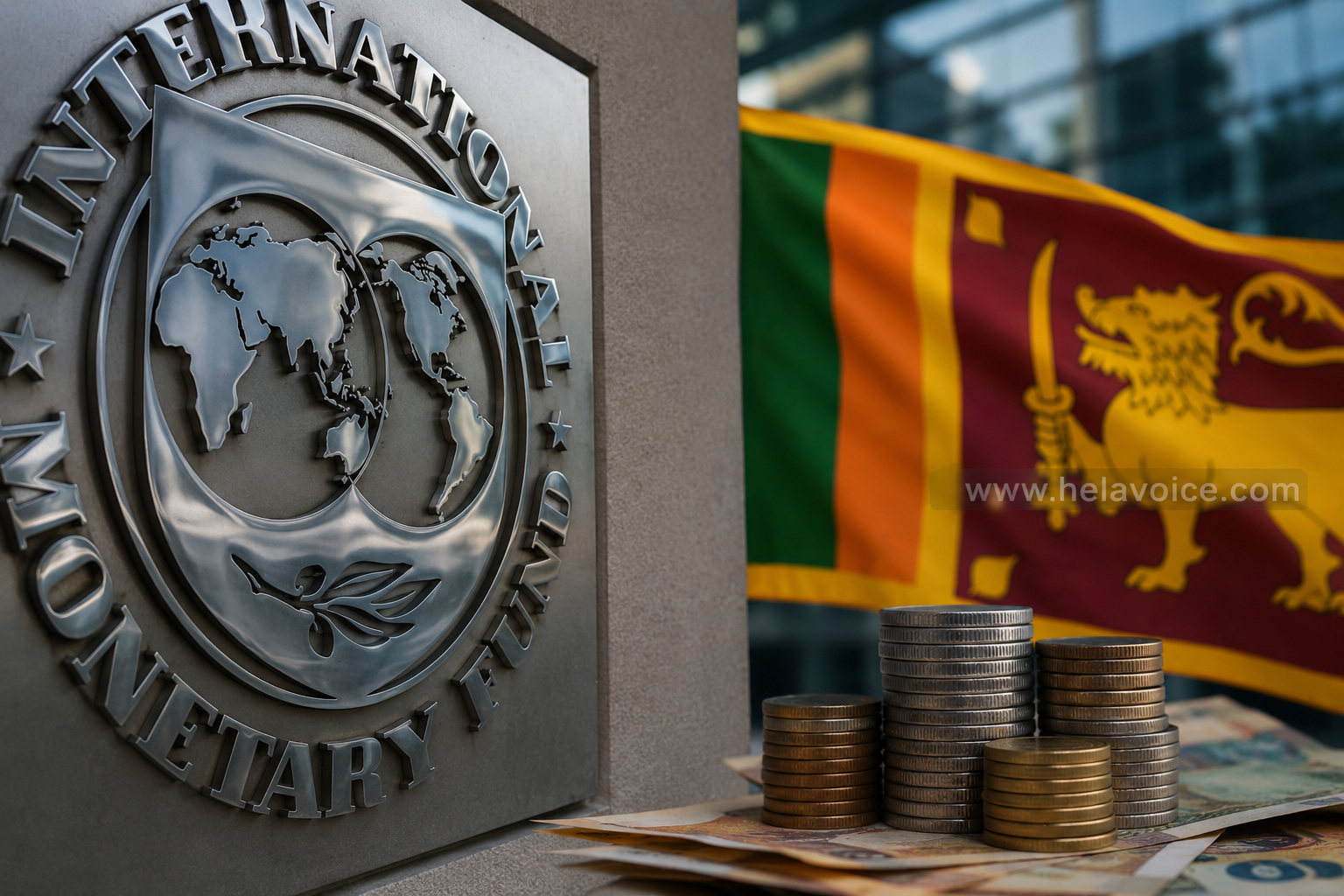
Sri Lanka’s ongoing economic reform programme under the International Monetary Fund (IMF) is expected to reach another major milestone next week as the IMF Executive Board prepares to review the country’s latest progress under the Extended Fund Facility (EFF) programme.
According to IMF Mission Chief for Sri Lanka, Evan Papageorgiou, the IMF Executive Board is scheduled to consider the combined Fifth and Sixth Reviews of Sri Lanka’s reform programme on Wednesday, May 27.
The upcoming review is expected to play a crucial role in determining the continuation of IMF financial support and shaping the future direction of Sri Lanka’s broader economic recovery process.
Speaking about the country’s recent economic progress, Papageorgiou stated that Sri Lankan authorities have made “significant progress” in restoring macroeconomic stability, rebuilding foreign reserves, and improving investor confidence over the past few years.
He noted that these reforms have gradually helped stabilize the economy following the unprecedented financial crisis that severely affected Sri Lanka in 2022. According to the IMF official, progress made under the reform programme has also received positive recognition from investors, stakeholders, and sections of the public, helping place the country on a comparatively more stable economic path.
However, Papageorgiou also cautioned that recent global developments continue creating fresh economic pressures for Sri Lanka, especially within a difficult international environment currently affecting many economies worldwide.
“Recent global developments have brought renewed pressures, as is the case for many economies in a challenging external environment,” he stated.
He further emphasized that managing external economic shocks remains difficult, but stressed that Sri Lanka’s current economic policy framework is now significantly stronger than it was prior to the economic collapse.
For Sri Lanka, the IMF programme remains one of the most critical components of the country’s recovery strategy following its worst economic crisis in modern history. The 2022 crisis led to severe shortages of fuel, medicine, cooking gas, food imports, and foreign currency, while also triggering political instability and public unrest across the country.
Since entering the IMF Extended Fund Facility programme, Sri Lanka has introduced a series of major fiscal reforms, tax increases, monetary policy adjustments, and public finance measures aimed at stabilizing the economy and rebuilding international confidence.
The IMF programme has also become directly linked to Sri Lanka’s ongoing debt restructuring process and future access to international financial markets. Economic analysts say continued IMF support remains essential for maintaining investor confidence, strengthening reserves, stabilizing the rupee, and unlocking additional financial assistance from other international institutions such as the World Bank and Asian Development Bank.
Papageorgiou further highlighted that maintaining policy consistency and allowing the economy to gradually adjust to changing global conditions would be crucial for sustaining the progress achieved so far.
“We look forward to continued close engagement with the Sri Lankan authorities as the reform agenda advances,” he added.
Meanwhile, market analysts and investors are expected to closely monitor the outcome of the upcoming IMF Executive Board review, as it could significantly influence Sri Lanka’s economic outlook, foreign financing opportunities, investor sentiment, and broader financial stability in the months ahead.
The review also comes at a sensitive period for Sri Lanka, as the country continues facing exchange rate pressures, rising living costs, and concerns over balancing economic recovery with public hardships caused by taxation and austerity measures linked to the reform programme.
What happens next will largely depend on the IMF Executive Board’s assessment, the continuation of economic reforms, global economic conditions, and Sri Lanka’s ability to maintain long-term fiscal discipline and financial stability.