Sri Lanka has recorded 59 dengue-related deaths so far this year, while the total number of reported dengue infections has climbed to 80,114, according to the latest report released by the National Dengue Control Unit (NDCU).
The updated figures, released on July 24, indicate a continued rise in dengue cases across the country. As of the previous day, the death toll stood at 57, with 79,016 confirmed cases, reflecting a sharp increase within 24 hours.
Despite the growing number of infections, the reported dengue case fatality rate remains relatively low at 0.07%, according to the health authorities.
The report shows that June (21,534 cases) and July (24,739 cases) have recorded the highest monthly case numbers this year, highlighting a significant surge in transmission during the southwest monsoon season.
Health officials have also identified 175 Medical Officer of Health (MOH) divisions as high-risk areas by the 29th epidemiological week of 2026. Meanwhile, 2,391 patients are currently receiving treatment in hospitals across the country.
The Western Province continues to account for the majority of reported infections, with 42,414 cases, representing 52.94% of all dengue patients nationwide. It is followed by the Southern Province with 12,154 cases (15.17%) and the Central Province with 6,837 cases (8.53%), where health officials have observed a notable increase in infections.
At the district level, Gampaha has reported the highest number of dengue cases (16,950), followed by Colombo (16,021), Matara (5,534), Kandy (5,437), Kalutara (5,245), Ratnapura (4,482), and Galle (4,430).
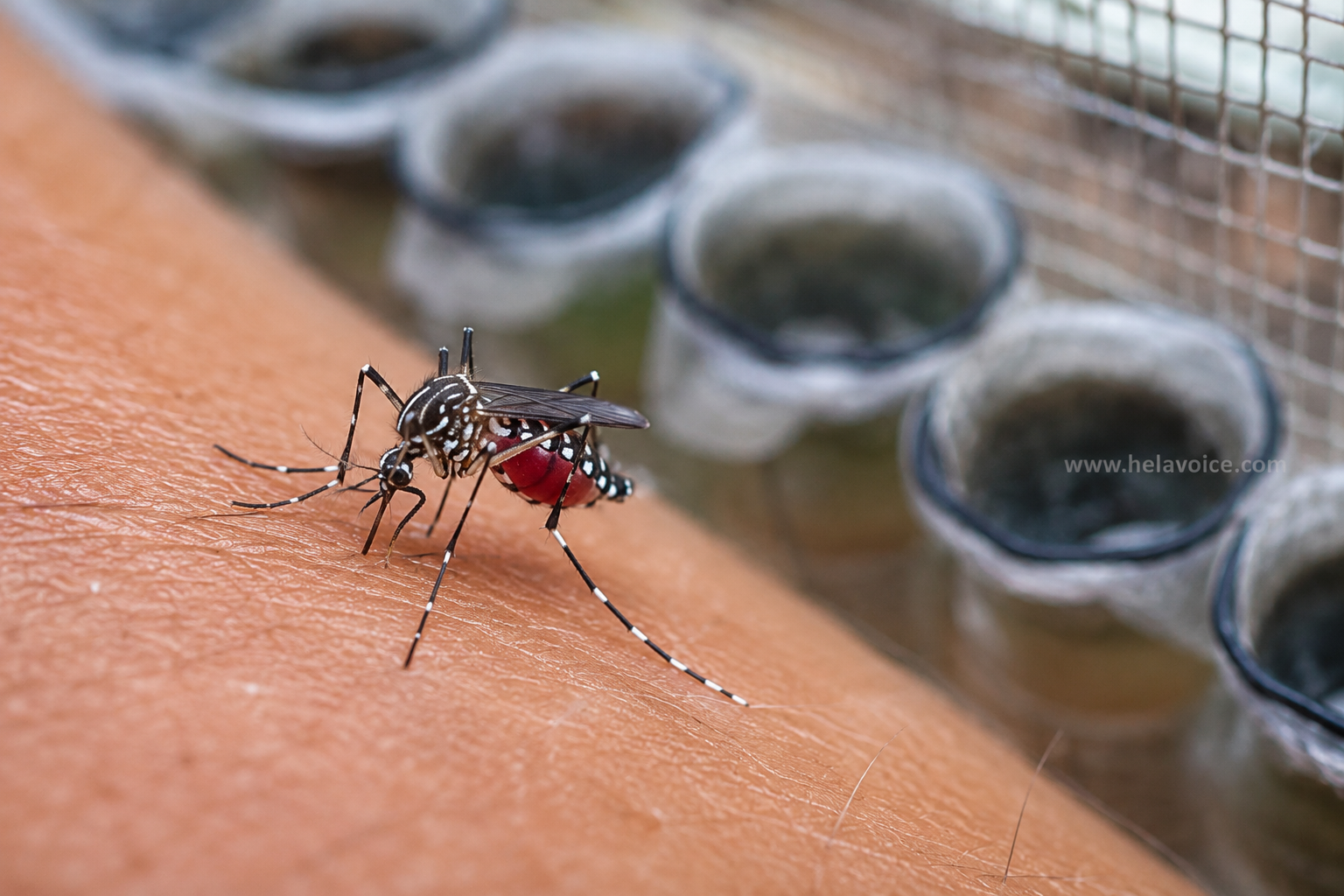
Health authorities attribute the continued rise in dengue infections largely to recent rainfall, which has created favorable breeding conditions for mosquitoes. The public is once again urged to eliminate stagnant water around homes and workplaces and to seek immediate medical attention if they develop symptoms such as fever.