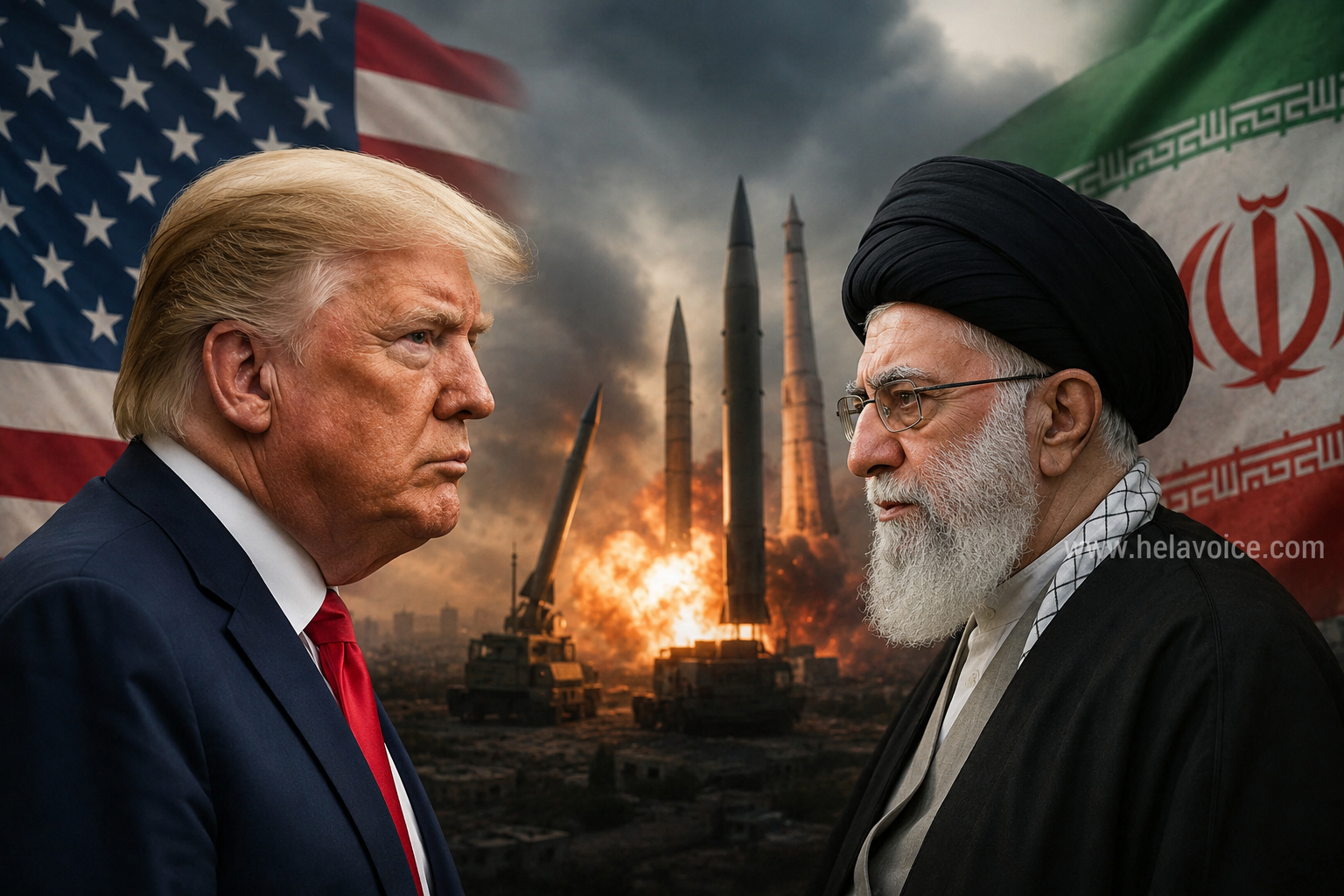
Iran has issued a strong warning to the United States following remarks by former U.S. President Donald Trump suggesting that military action against Iran had once again been considered amid ongoing regional tensions.
According to international media reports, Iranian officials warned that any future American military strike against Iran could trigger consequences extending far beyond the Middle East, potentially destabilizing other parts of the world and escalating global security risks.
The warning comes at a time when diplomatic efforts between Washington and Tehran appear to have slowed after earlier signs of temporary progress aimed at reducing tensions between the two countries. Discussions focused on restoring long-term regional stability and easing hostilities have reportedly stalled in recent weeks.
Meanwhile, Donald Trump revealed that he had come very close to authorizing a bombing campaign targeting Iran but ultimately decided against proceeding at the final moment in order to allow diplomatic negotiations to continue. His comments have quickly drawn international attention and renewed concerns about the possibility of future confrontation between the two nations.
Relations between the United States and Iran have remained highly strained for decades due to disputes involving nuclear activities, regional military influence, economic sanctions, and security concerns across the Middle East. Periods of heightened tension between the two countries have previously raised fears of direct military conflict affecting global oil markets, shipping routes, and international stability.
Iranian officials reportedly stated that any military escalation involving the United States could spread instability beyond the Middle East region and potentially affect international trade, energy markets, and global security arrangements. Analysts note that the strategic importance of the Persian Gulf and surrounding shipping routes means even limited conflict could have worldwide economic consequences.
For Sri Lanka, rising tensions between the United States and Iran could indirectly impact fuel prices, shipping costs, and broader economic conditions. Sri Lanka remains highly dependent on imported fuel and global trade routes connected to the Middle East, making regional instability a matter of significant economic concern.
Past conflicts and tensions in the Gulf region have often caused fluctuations in global oil prices, increased transportation costs, and disruptions to international markets — factors that can place additional pressure on countries already facing economic recovery challenges.
International observers say recent developments also highlight the growing uncertainty surrounding global geopolitics ahead of upcoming political developments in the United States and ongoing instability in parts of the Middle East.
Security experts note that while both Washington and Tehran have publicly expressed interest in avoiding full-scale war in the past, political rhetoric and military posturing can rapidly increase tensions and create unpredictable risks.
Meanwhile, global markets and diplomatic circles continue to closely monitor developments between the two countries amid fears that further escalation could affect international energy supplies and regional security.
What happens next will likely depend on whether diplomatic channels between Iran and the United States can be revived in the coming weeks and whether regional tensions continue to intensify or gradually ease.