A total of 538 Grama Niladhari (GN) divisions across 14 districts have been identified as high-risk areas for dengue transmission, according to the latest dengue control assessment for June 2026.
Health authorities have designated these locations for intensified dengue prevention and control measures amid concerns over the continued spread of the mosquito-borne disease, particularly during the ongoing monsoon season.
The Western Province remains the most affected region, with a significant number of high-risk GN divisions reported in the Colombo, Gampaha and Kalutara districts.
In the Colombo District, several GN divisions within the Colombo Municipal Council area and Medical Officer of Health (MOH) divisions including Maharagama, Piliyandala, Homagama, Kaduwela, Boralesgamuwa, Dehiwala, Egodauyana and Gothatuwa have been identified as areas with an elevated risk of dengue transmission.
The Gampaha District has also recorded a large number of high-risk locations. Areas including Attanagalla, Seeduwa, Kelaniya, Ragama, Minuwangoda, Negombo, Biyagama, Wattala, Katana and Mahara have been listed for enhanced dengue control activities.
Meanwhile, in the Kalutara District, GN divisions in Bandaragama, Horana, Ingiriya, Matugama, Panadura, Wadduwa, Kalutara and Payagala have also been classified as high-risk zones.
The assessment further identified high-risk GN divisions in several other districts, including Galle, Hambantota, Matara, Kandy, Matale, Ratnapura, Kegalle, Kurunegala, Puttalam, Badulla and Batticaloa.
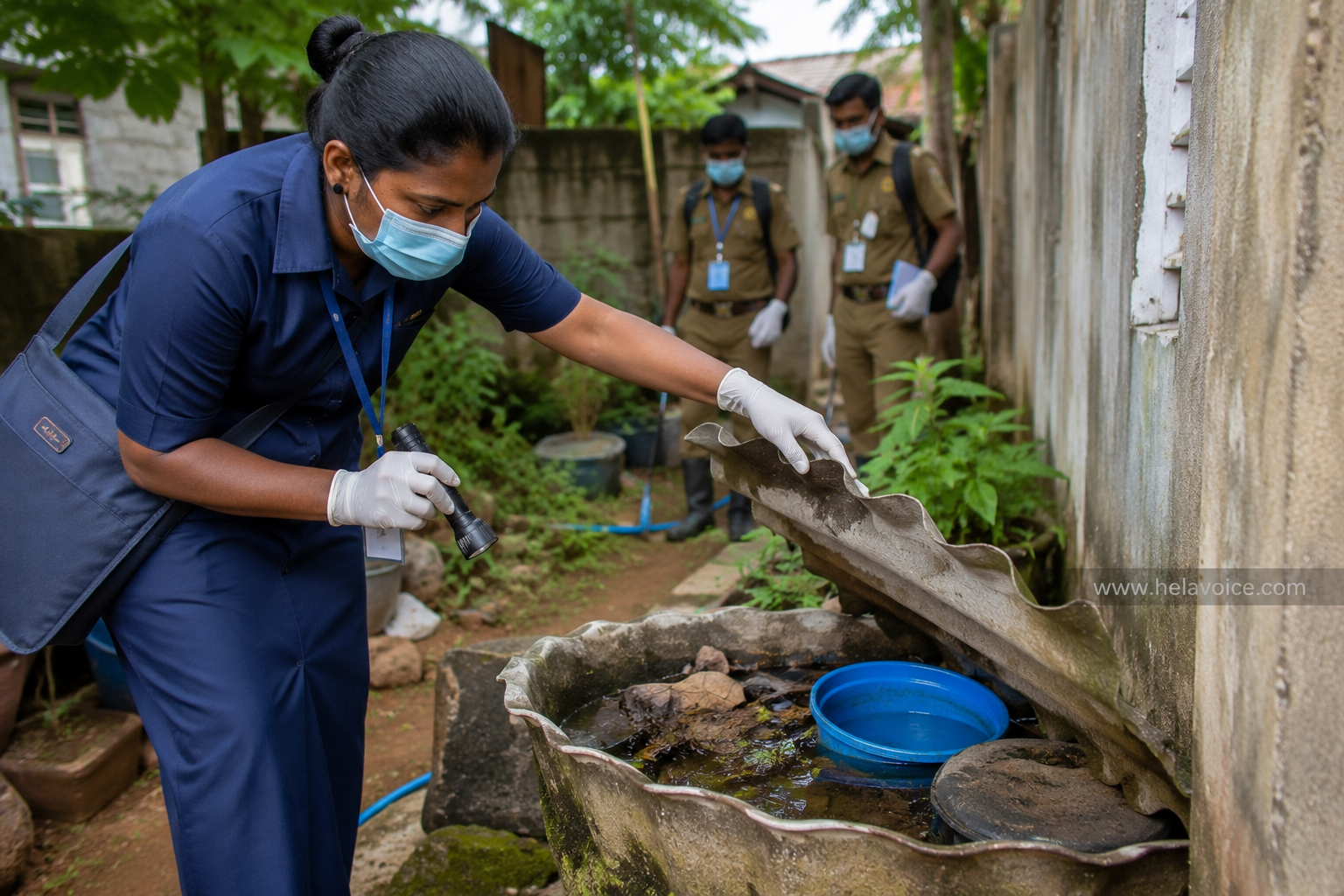
Health officials have urged residents to eliminate mosquito breeding sites in their surroundings and cooperate with dengue prevention programmes as authorities continue surveillance and control operations across affected areas.