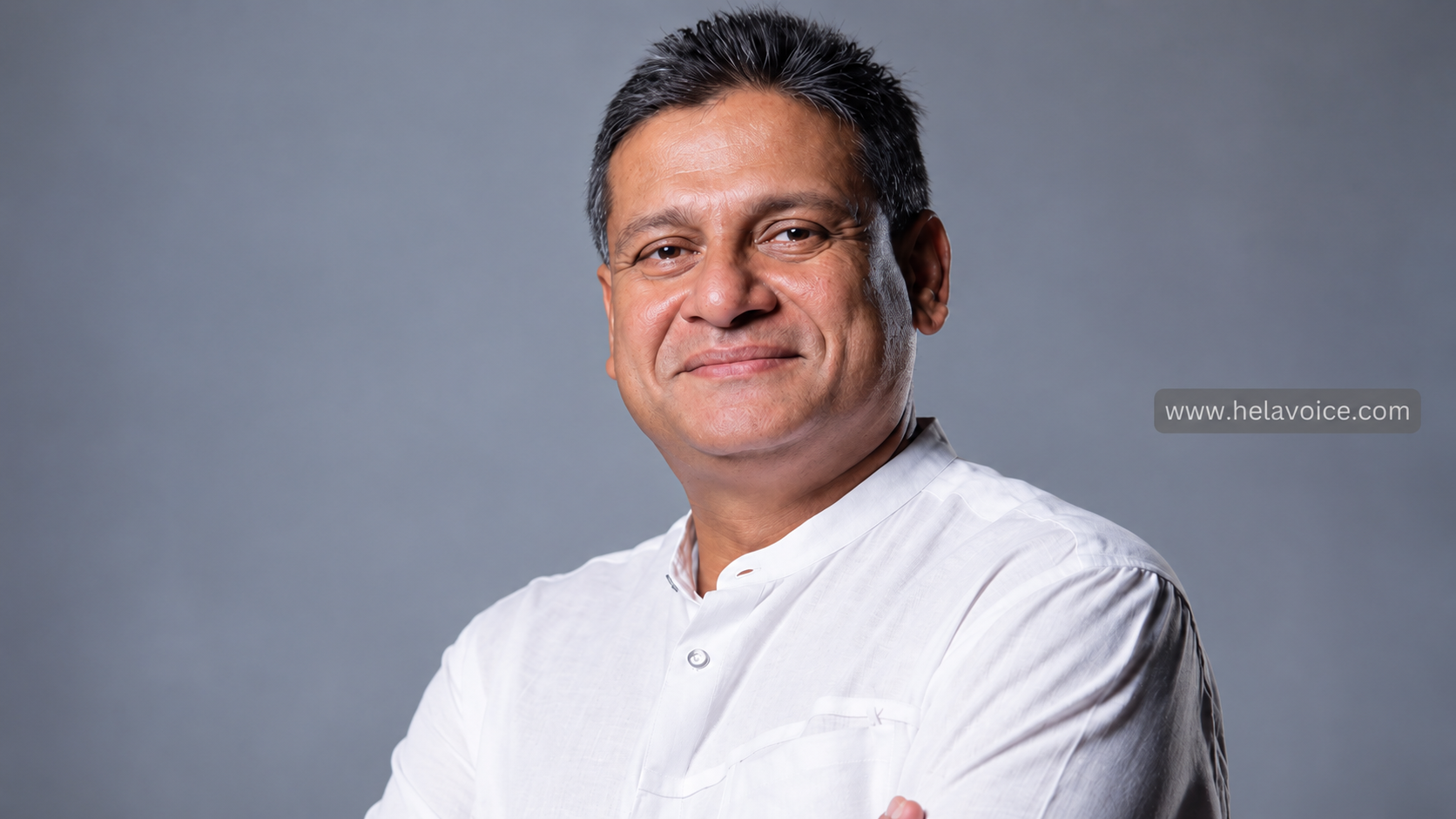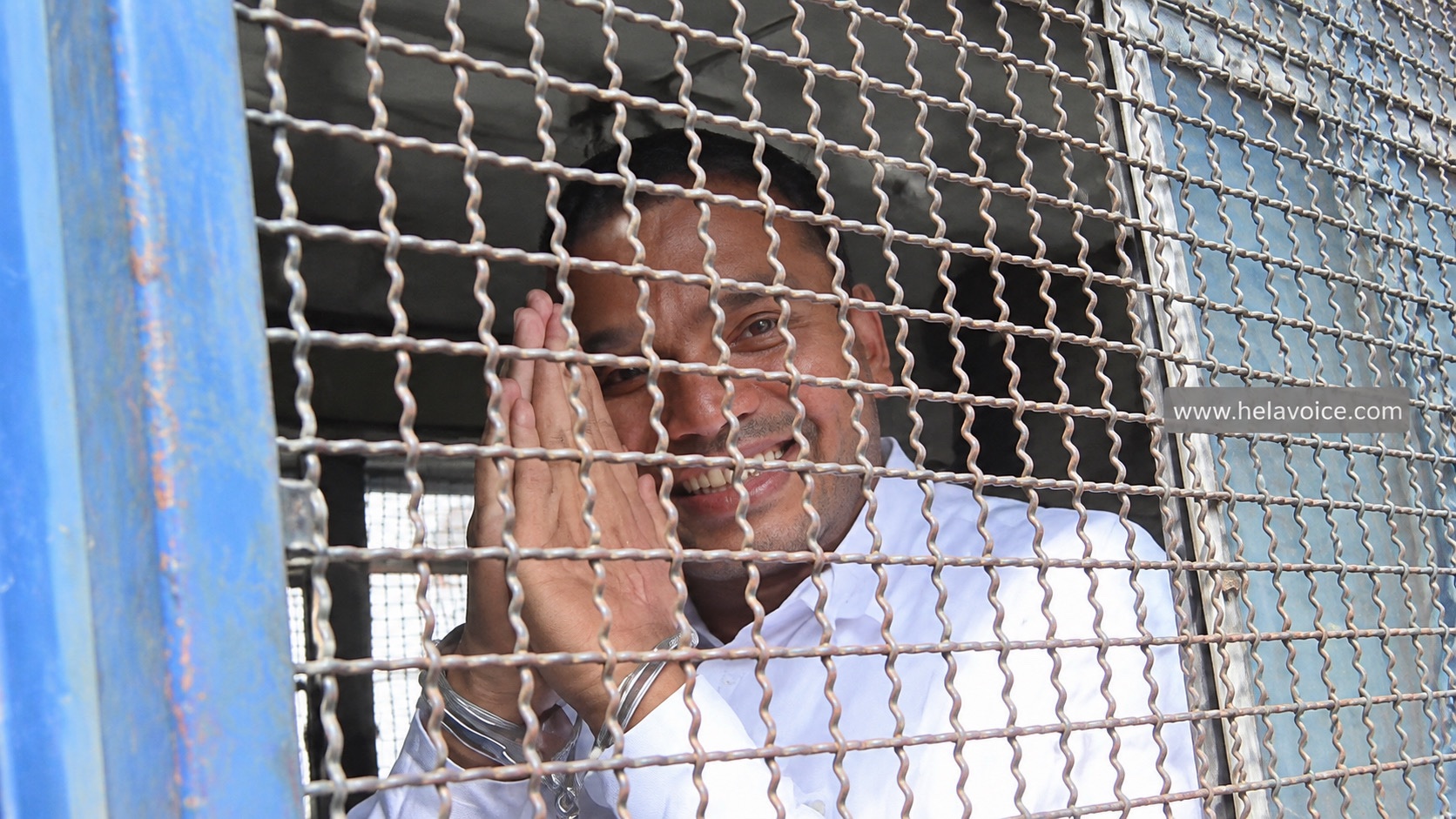
The Colombo Magistrate’s Court has temporarily lifted the overseas travel ban imposed on Member of Parliament Chamara Sampath Dassanayake in connection with an ongoing corruption investigation handled by the Commission to Investigate Allegations of Bribery or Corruption (CIABOC).
The order was issued today (19) by Colombo Chief Magistrate Asanga S. Bodaragama after the matter was taken up before court.
Through his legal representatives, the parliamentarian had requested permission to travel to China between May 23 and June 6. After considering the submissions made before court, the Magistrate granted temporary relief by suspending the travel restriction during the requested period.
The case involving Dassanayake is currently being investigated by CIABOC as part of an ongoing corruption-related inquiry. However, specific details regarding the allegations connected to the investigation were not extensively discussed during today’s proceedings.
Meanwhile, the Colombo High Court had also issued a similar order yesterday in relation to another separate case involving the MP, temporarily permitting him to travel overseas during the same period.
The developments have attracted public attention due to the increasing scrutiny surrounding corruption investigations involving political figures in Sri Lanka. In recent years, anti-corruption cases involving current and former politicians have become a major focus of public debate as citizens continue demanding stronger accountability and transparency within state institutions.
For Sri Lanka, legal proceedings involving elected representatives often generate significant political and media attention because they are closely tied to wider public concerns regarding governance, misuse of public resources, and institutional reform.
The Commission to Investigate Allegations of Bribery or Corruption has also come under growing pressure to accelerate investigations into high-profile political and financial misconduct cases. Several major investigations linked to politicians, state officials, and public institutions remain under legal review.
Legal analysts note that temporary suspension of travel bans is not uncommon in Sri Lankan courts when suspects request overseas travel for official, personal, or other approved purposes. However, such permissions are generally granted under specific conditions and within limited timeframes while investigations continue.
Political observers say cases involving travel restrictions on MPs often draw public interest because they may influence parliamentary activities, political alliances, and broader public perceptions surrounding anti-corruption efforts.
Meanwhile, neither the court nor investigators have indicated whether additional legal conditions were imposed on Dassanayake during the approved travel period. Authorities are expected to continue investigations while the temporary suspension remains in effect.
What happens next will depend on the progress of the CIABOC investigations and future court proceedings connected to the separate cases involving the parliamentarian after his return to Sri Lanka.