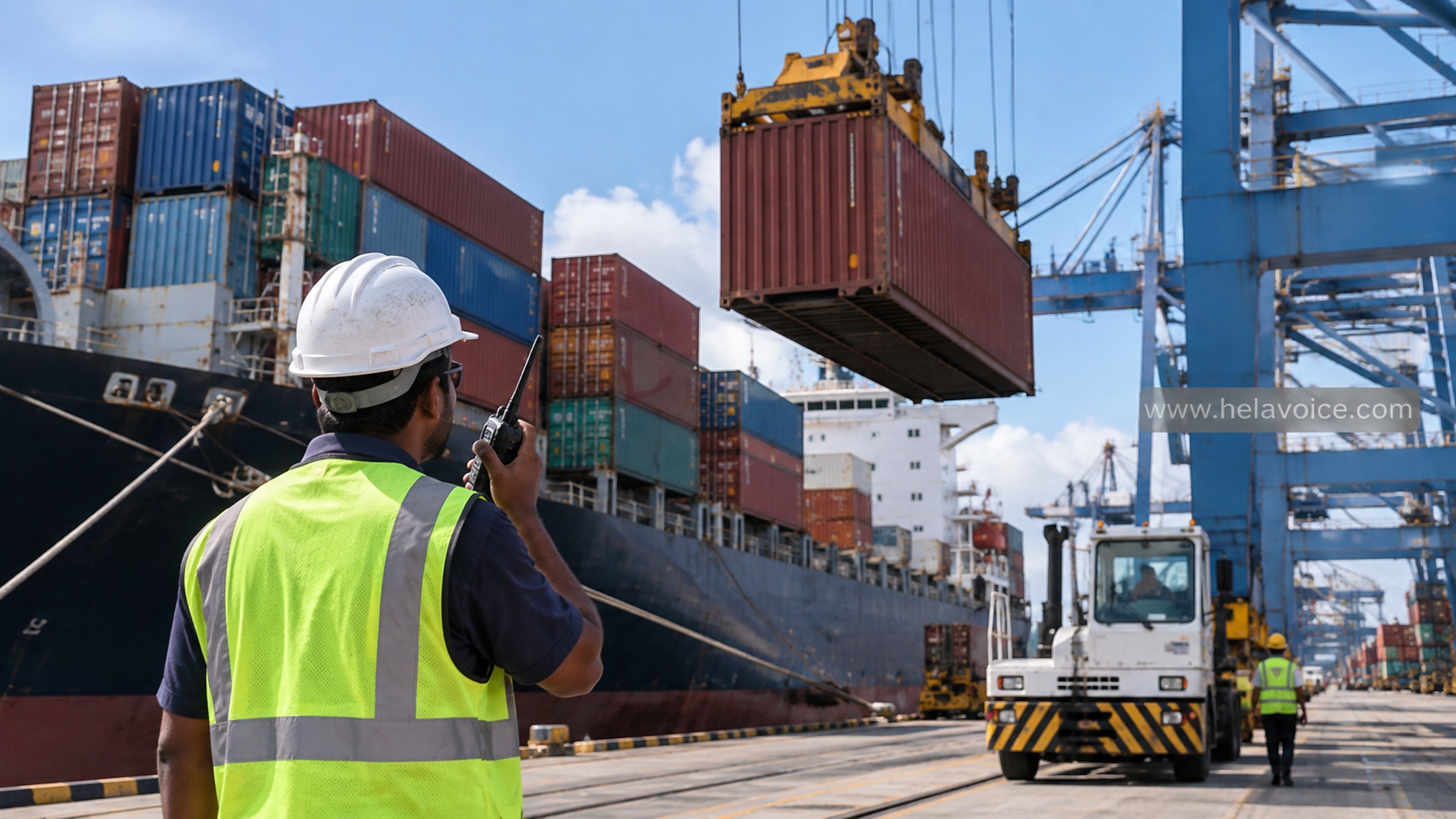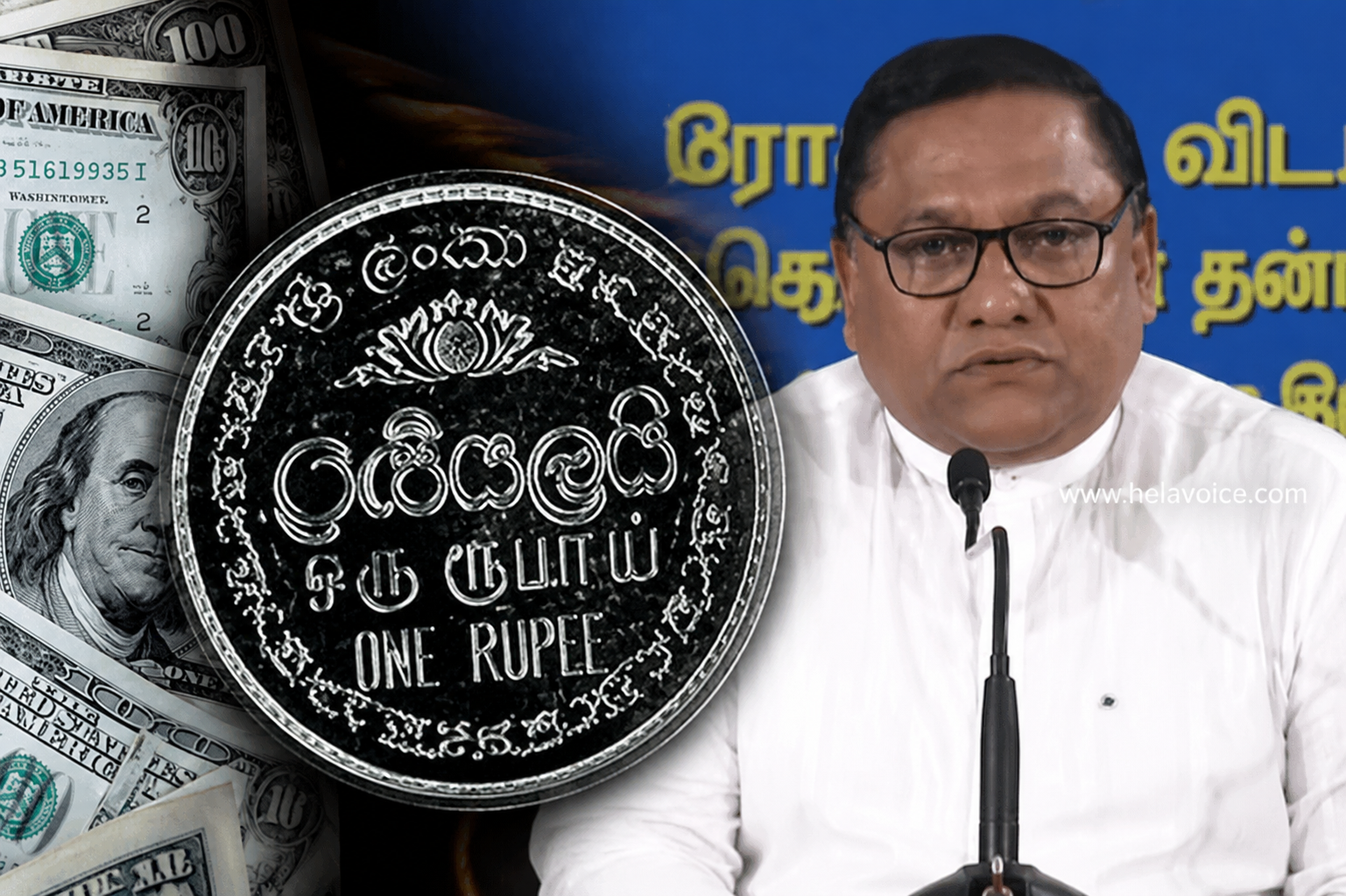
The Sri Lankan government says it expects to manage the recent depreciation of the rupee against the US dollar through upcoming foreign currency inflows and tighter controls on imports aimed at reducing pressure on the country’s foreign exchange reserves.
Speaking during today’s Cabinet media briefing, Cabinet Spokesman and Minister Vijitha Herath stated that Sri Lanka is expected to receive substantial foreign financial support from international institutions including the International Monetary Fund (IMF) and the Asian Development Bank (ADB) in the near future.
According to the minister, the IMF is expected to release approximately USD 700 million, while the Asian Development Bank is also expected to provide an additional USD 200 million. He noted that these inflows would strengthen Sri Lanka’s foreign reserves and help stabilize the exchange rate amid ongoing economic pressures.
Herath further explained that the government also intends to reduce dollar outflows by limiting selected imports while simultaneously benefiting from improved export earnings generated by the weaker rupee. A depreciated currency can often make exports more competitive internationally by lowering prices for foreign buyers.
However, the minister acknowledged that a weaker rupee could also lead to higher prices for imported goods, eventually affecting inflation and the overall cost of living for Sri Lankan consumers. Imported fuel, vehicles, medicines, food items, and industrial raw materials are particularly sensitive to exchange rate fluctuations.
Sri Lanka’s currency has faced renewed pressure in recent weeks, with the US dollar recently crossing the Rs. 330 mark in local exchange markets. Economists say several factors, including rising import demand, global market conditions, and foreign exchange movements, continue to influence the rupee’s performance.
For Sri Lanka, exchange rate stability remains one of the most critical economic concerns following the severe financial crisis experienced in recent years. The country previously faced record shortages of foreign currency, soaring inflation, fuel shortages, and difficulties financing imports due to depleted reserves.
The government’s current strategy relies heavily on support from international financial institutions, tourism earnings, export growth, and foreign remittances to maintain economic stability while continuing reforms linked to the IMF programme.
Economic analysts note that foreign financial inflows from institutions such as the IMF and ADB often provide temporary relief to reserves and investor confidence, but long-term currency stability ultimately depends on broader economic recovery, export performance, fiscal discipline, and sustained foreign investment.
Meanwhile, businesses and importers remain closely concerned about exchange rate fluctuations, as a weaker rupee could increase operating costs and place additional pressure on retail prices in the coming months. Consumers may also experience higher prices for imported products if the depreciation trend continues.
Despite these challenges, Minister Herath expressed confidence that the government’s financial management strategy would help stabilize the situation and reduce pressure on the rupee over the coming months. Authorities are continuing to monitor market conditions while balancing import management and economic recovery efforts.
What happens next will largely depend on the timing of expected foreign inflows, global economic conditions, tourism performance, and how effectively Sri Lanka manages its foreign exchange reserves during the remainder of the year.