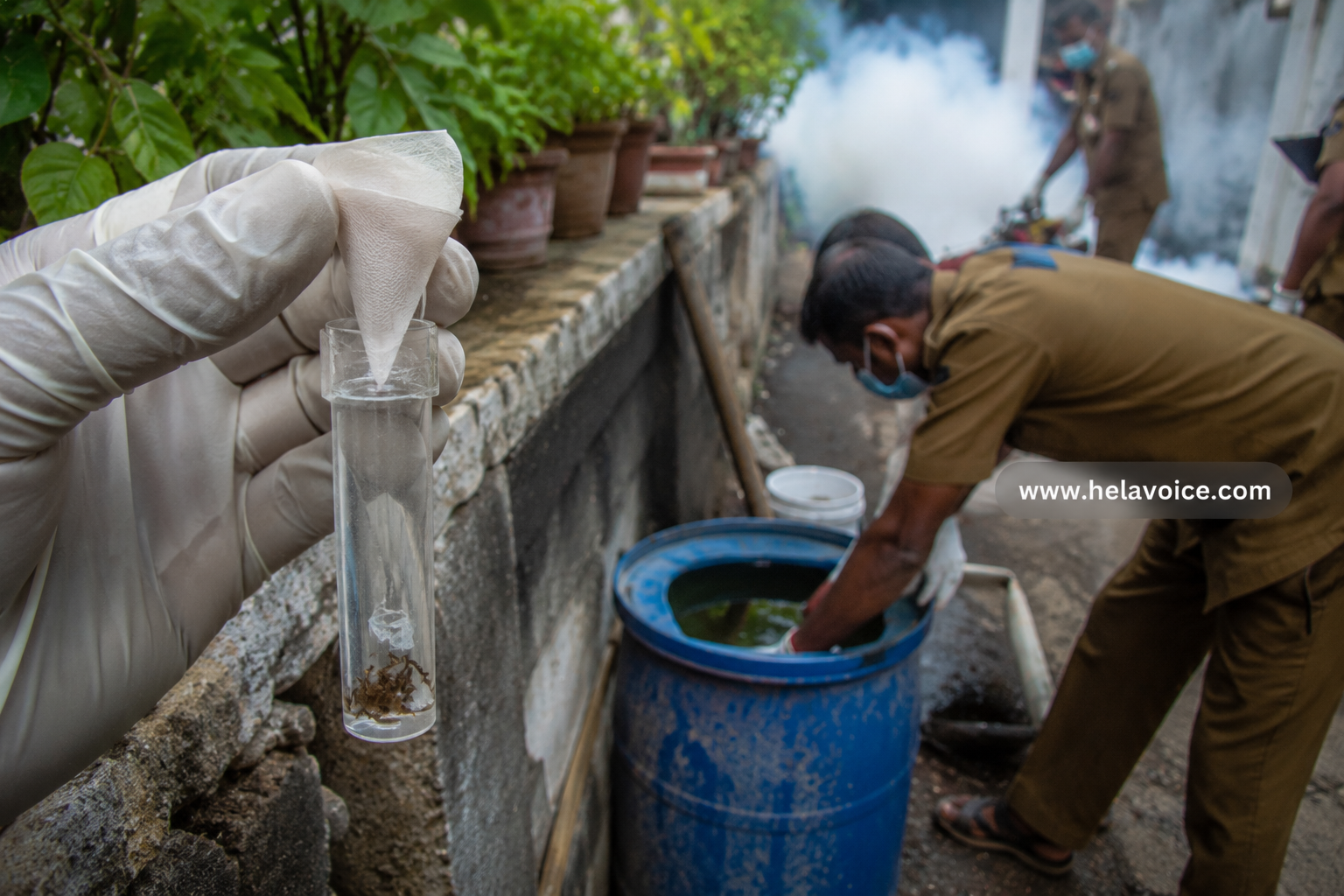
Health experts have warned that the next two weeks could be critical in Sri Lanka's battle against dengue, citing a significant increase in mosquito larvae density, particularly across the Western Province.
Speaking during a televised discussion, Consultant Physician Dr. Ananda Wijewickrama, a member of the Dengue Management Expert Committee, said the current trend suggests the country could face a dengue situation more severe than the major outbreak recorded in 2017 if preventive measures are not strengthened.
He noted that the rapid increase in patient numbers has placed heavy pressure on hospitals in the Western Province, with some medical facilities reportedly accommodating two to three patients on a single hospital bed due to limited capacity.
Meanwhile, Professor Neelika Malavige of the University of Sri Jayewardenepura said early warning signs of the current outbreak had already become apparent earlier this year. She explained that seasonal weather patterns, including the southwest and northeast monsoons, traditionally contribute to an increase in dengue transmission and stressed the importance of preparedness before case numbers surge.
Professor Malavige also addressed dengue vaccination, noting that several countries, including Indonesia, the Philippines, Thailand, Vietnam and Malaysia, have approved dengue vaccines. However, she said vaccination alone would not provide an immediate solution during an ongoing outbreak, as immunity develops over time and the vaccines are intended as a longer-term preventive measure.
According to the latest figures released by health authorities, 66,064 dengue cases and 46 related deaths have been reported in Sri Lanka so far this year.
More than 10,600 cases have been recorded during the first nine days of July alone, including over 1,000 new infections reported on the previous day.
Health officials also noted that more than half of all reported dengue cases have been recorded in the Western Province, with Gampaha District now reporting the highest number of infections, overtaking Colombo.
Authorities continue to carry out islandwide mosquito control and public awareness campaigns, with support from the Tri-Forces, as efforts intensify to contain the spread of the disease.