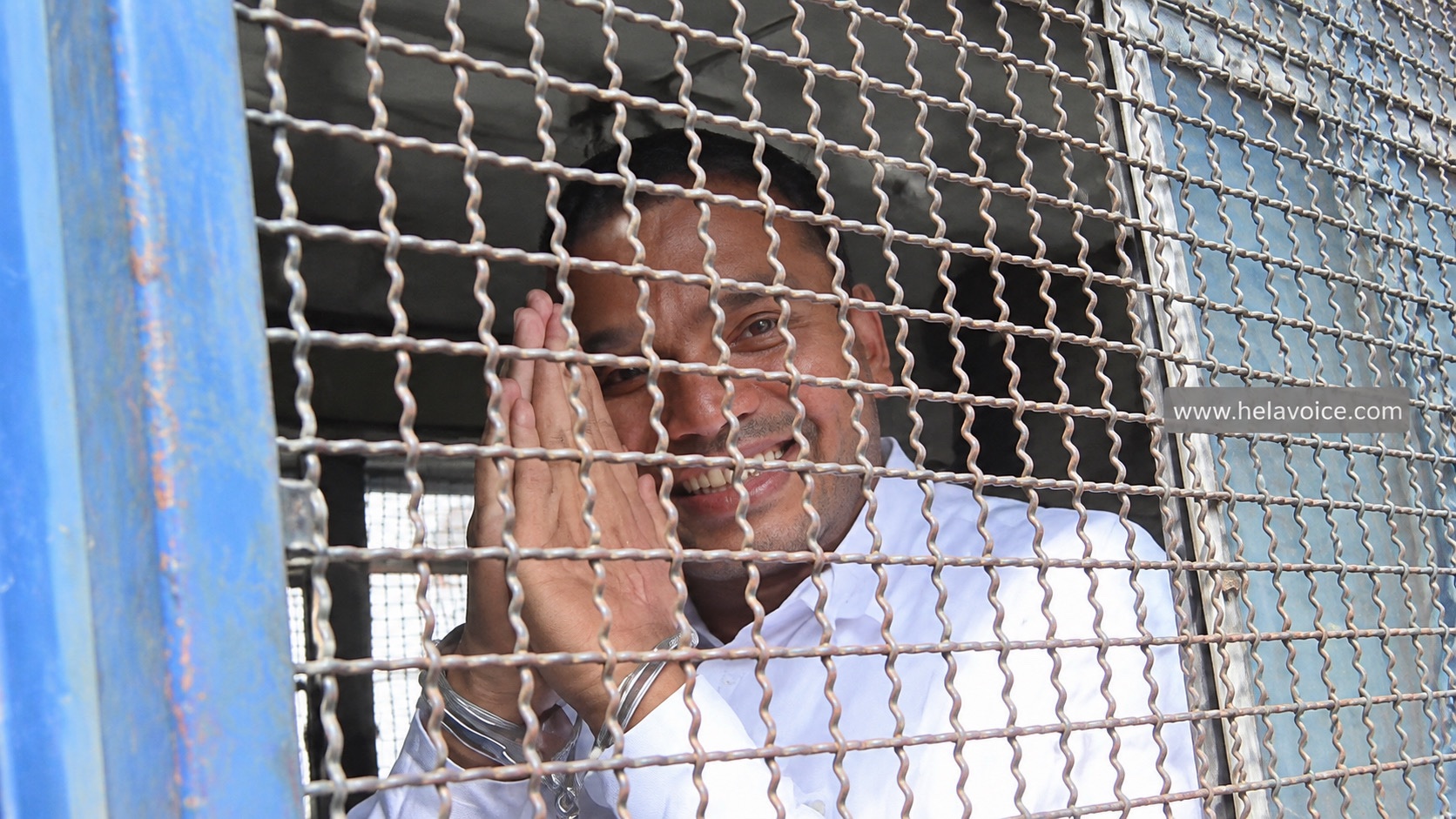
The Colombo High Court has postponed the delivery of judgments in four corruption cases filed against former Deputy Minister Sarana Gunawardena by the Commission to Investigate Allegations of Bribery or Corruption (CIABOC) until June 09.
The order was issued today (26) by Colombo High Court Judge Mohamed Mihal when the cases were taken up before court.
According to court proceedings, the verdicts in all four cases had originally been scheduled to be delivered today. However, Judge Mohamed Mihal informed the court that the judgments were not yet ready to be announced.
Accordingly, the court ordered that the final decisions in the four cases be delivered on June 09 unless further delays arise.
The cases were filed by CIABOC over allegations that Sarana Gunawardena caused financial losses to the government during his tenure as Chairman of the National Lotteries Board in 2006.
The allegations specifically relate to the procurement of vehicles for the National Lotteries Board on a rental basis. Investigators claim that the transactions and procurement procedures carried out during that period resulted in a financial disadvantage to the state and violated proper administrative and financial regulations.
According to the Bribery Commission, the procurement process allegedly failed to follow accepted procedures governing state financial management and public sector procurement practices.
The cases against the former deputy minister have remained under judicial consideration for several years and have attracted considerable public and political attention amid Sri Lanka’s broader anti-corruption efforts involving former politicians and state officials.
Sarana Gunawardena has previously denied wrongdoing in connection with the allegations and has maintained his innocence throughout the legal proceedings.
For Sri Lanka, corruption investigations involving former political figures continue to remain highly sensitive and politically significant, particularly following the country’s economic crisis and growing public demands for accountability, transparency, and institutional reform.
The Commission to Investigate Allegations of Bribery or Corruption has faced increasing public pressure in recent years to accelerate investigations and legal action involving misuse of state resources, procurement irregularities, and financial misconduct linked to both former and current public officials.
Legal analysts note that long-running corruption cases involving senior political figures often become closely watched public matters because they are seen as important tests of judicial independence and anti-corruption enforcement in Sri Lanka.
The postponement of the verdicts means uncertainty surrounding the cases will continue for at least several more weeks. Political observers say the final judgments could carry wider implications regarding future anti-corruption investigations and public confidence in legal accountability processes involving influential former officials.
Meanwhile, the proceedings are continuing to be closely monitored by legal experts, political groups, and anti-corruption activists as part of Sri Lanka’s broader efforts to strengthen governance and financial accountability within public institutions.
What happens next will depend on the court’s final rulings scheduled for June 09 and whether any additional legal developments emerge before the judgments are officially delivered.