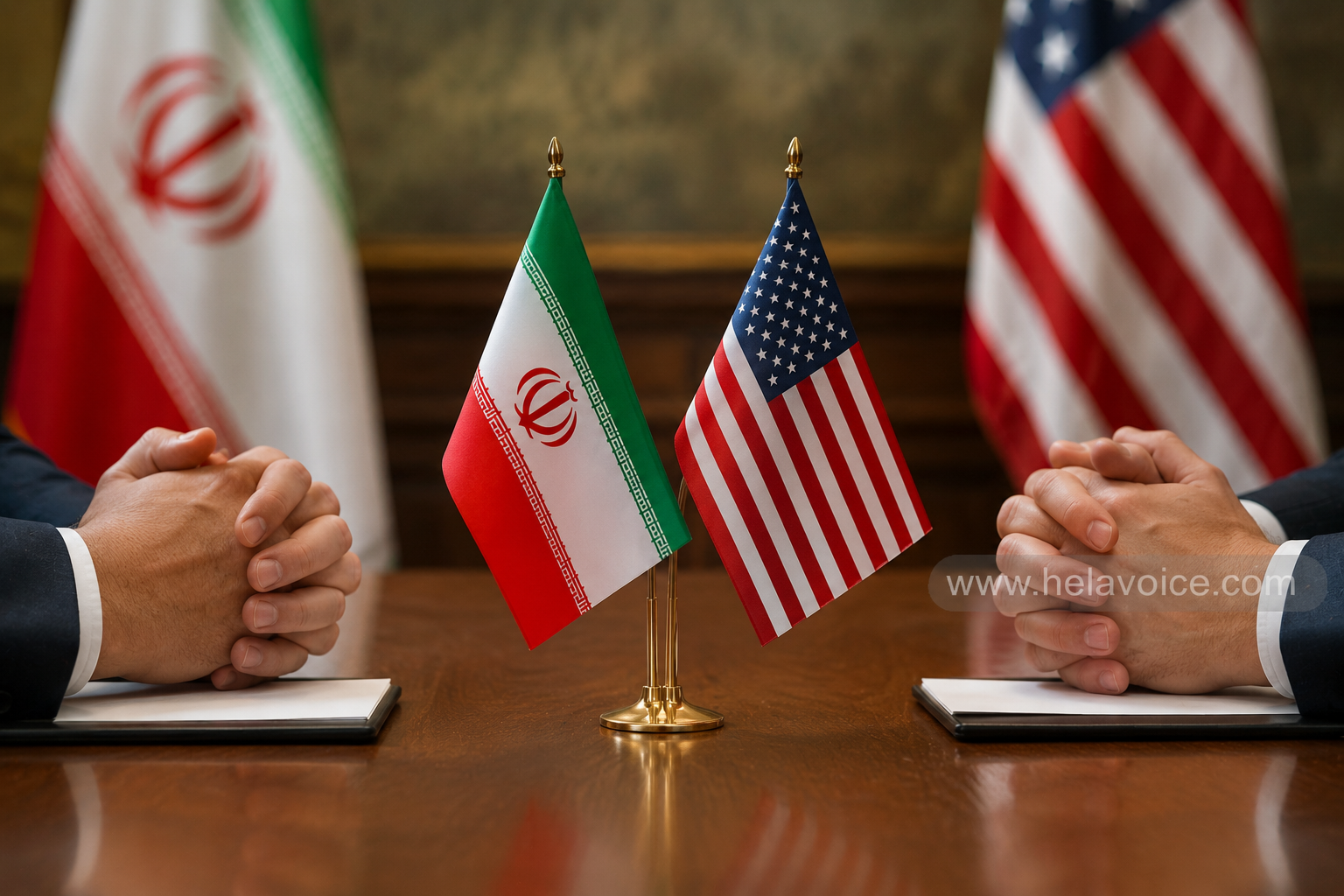
Iran says several important issues have been resolved during ongoing discussions with the United States, but insists that no final agreement is close to being signed at this stage despite recent diplomatic progress.
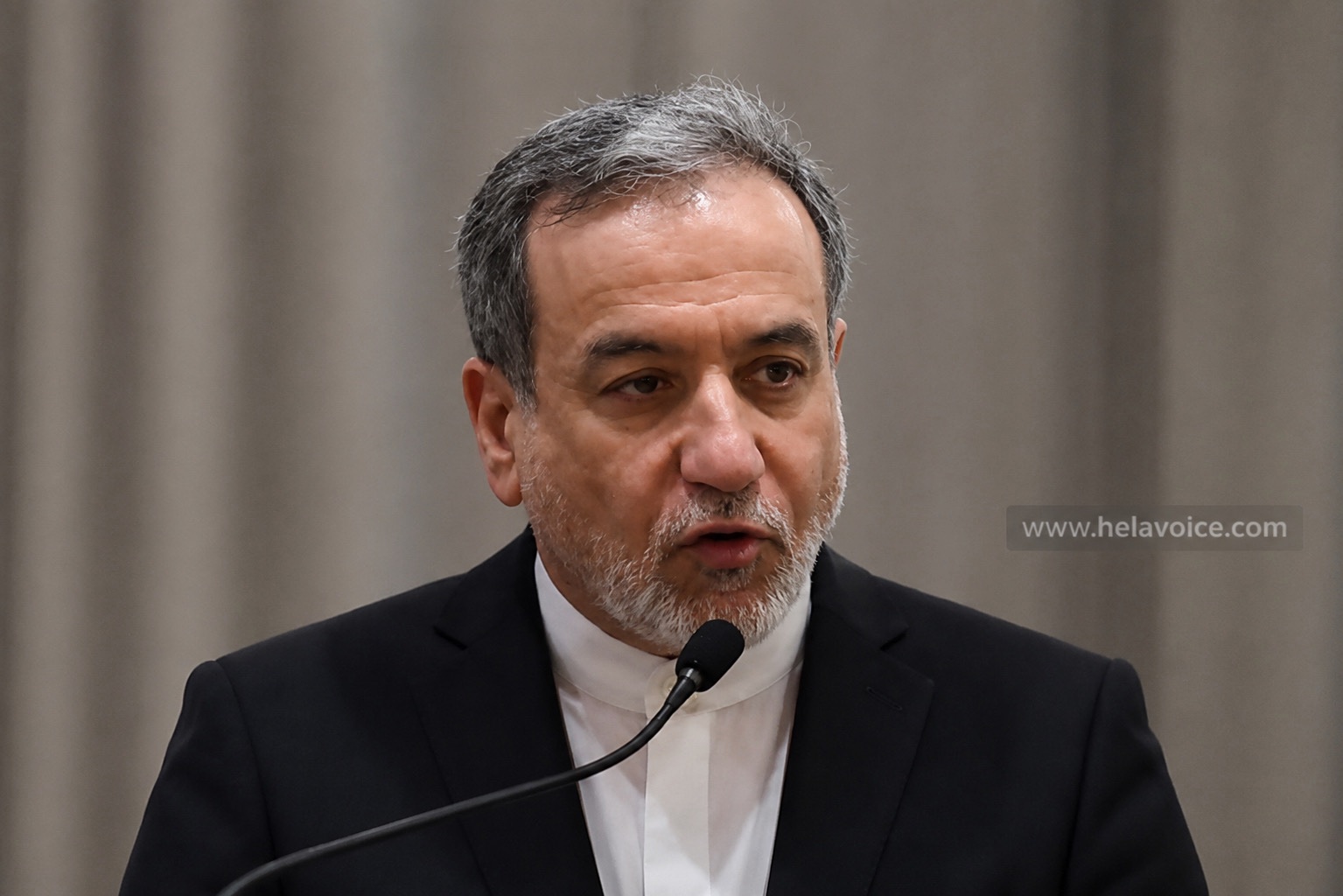
Speaking on Monday, Esmaeil Baghaei stated that progress had been made on multiple subjects discussed under a possible memorandum of understanding between Iran and the United States.
However, the Iranian Foreign Ministry spokesperson stressed that reaching conclusions on certain matters does not mean Tehran is preparing to sign a formal agreement in the near future.
According to Baghaei, Iran’s immediate priority remains focused on efforts to end the ongoing conflict in the region rather than reopening broader nuclear-related negotiations with Washington.
He also criticized what he described as inconsistent positions and changing statements from American officials, arguing that such uncertainty continues to complicate progress toward any long-term diplomatic understanding.
“Different statements and shifting positions from American officials make the path to any agreement more complicated,” Baghaei stated during his remarks.
International observers say diplomatic contacts between Iran and the United States have intensified in recent months amid growing tensions across the Middle East and rising concerns regarding regional security and stability.
Although discussions between the two countries appear to be continuing behind closed doors, both governments remain cautious about publicly revealing details connected to any potential understanding or future negotiations.
Political analysts believe the current diplomatic discussions are largely aimed at reducing tensions, avoiding military escalation, and creating conditions that could eventually support broader negotiations in the future.
Iran has repeatedly maintained that stabilizing the region and bringing an end to ongoing conflicts remain more urgent priorities than returning immediately to extensive nuclear discussions. Meanwhile, the United States continues monitoring developments closely while maintaining pressure on Tehran regarding regional security concerns and international sanctions issues.
The latest comments from Iranian officials come at a sensitive time when global governments, investors, and financial markets are paying close attention to developments in the Middle East. Concerns surrounding oil prices, shipping routes, military tensions, and regional security continue influencing global economic and geopolitical stability.
For Sri Lanka, developments involving Iran and the United States remain important due to the potential impact on global oil prices and international energy markets. Sri Lanka remains highly dependent on imported fuel, making the country vulnerable to global price fluctuations caused by geopolitical instability in the Middle East. Rising oil prices can directly affect fuel costs, inflation, transportation expenses, electricity generation, and the overall cost of living within Sri Lanka.
Economic analysts note that even limited diplomatic progress between Iran and the United States could help ease uncertainty in global energy markets and reduce fears of broader regional conflict. However, they also warn that relations between the two countries remain highly fragile after decades of sanctions, military tensions, and political disputes.
The Middle East continues to play a crucial role in global energy supply chains, and any escalation involving Iran could have major consequences for oil-exporting routes and international trade. As a result, governments worldwide are continuing to closely monitor the situation.
While optimism regarding a final agreement remains limited at present, the continuation of dialogue between Tehran and Washington is still being viewed internationally as an important step toward reducing instability and preventing further escalation in the region.
What happens next will likely depend on future diplomatic engagements, regional security developments, and whether both sides can maintain communication despite ongoing mistrust and political differences.