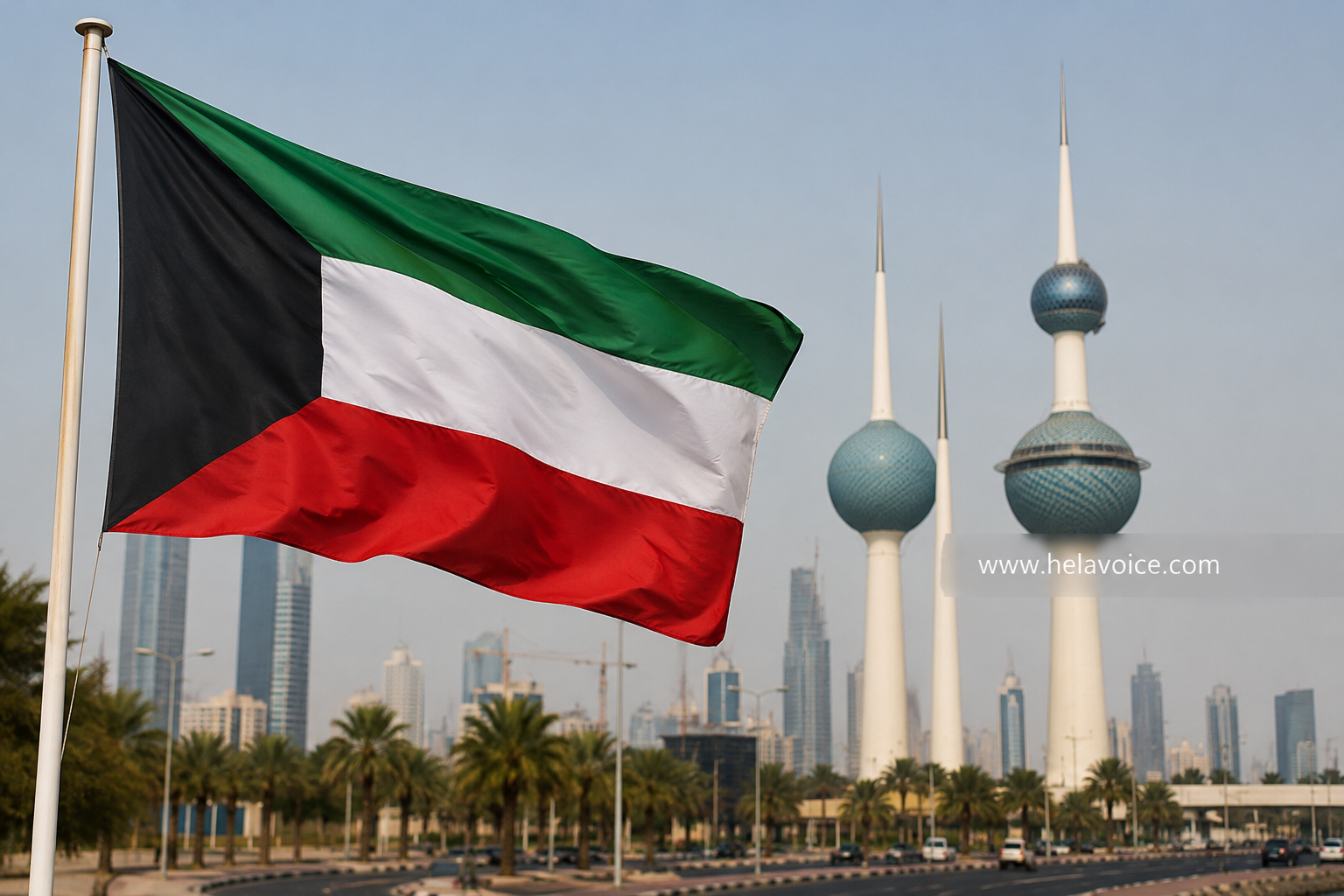
Kuwait has expelled two Iranian diplomats and reduced the size of Iran’s diplomatic mission in the country following a series of missile and drone attacks that Kuwaiti authorities say violated the country’s sovereignty and endangered civilian lives.
The move came after Kuwait’s Deputy Foreign Minister Hamad Sulaiman Al-Mashaan summoned Iran’s chargé d’affaires, Hamid Yaqoubi Far, and handed over an official protest note regarding the recent attacks. According to the Kuwaiti Foreign Ministry, the two diplomats were declared persona non grata and ordered to leave the country within 24 hours.
Kuwait stated that the decision was taken in response to what it described as continued attacks involving ballistic missiles and drones that targeted civilian and strategic locations within the country. Authorities reported that one person was killed, dozens of civilians were injured, and significant damage was caused to infrastructure and diplomatic facilities.
Among the locations reportedly affected was Kuwait International Airport, highlighting growing concerns over regional security and the potential impact on civilian transportation and economic activity.
The Kuwaiti government also reiterated that its territory and airspace have not been used to launch attacks against any country. Officials strongly rejected allegations from Iran that the United States had conducted military operations from Kuwaiti territory.
Deputy Foreign Minister Al-Mashaan described those claims as unfounded and emphasized that such accusations could not justify attacks against Kuwaiti territory or civilian facilities.
The latest development marks a significant escalation in tensions between Kuwait and Iran at a time when instability in the region continues to raise concerns among neighboring countries and the international community.
Diplomatic analysts note that the expulsion of diplomats is considered one of the strongest measures a country can take short of severing diplomatic relations. The move signals Kuwait’s intention to firmly respond to what it views as threats to its national security while maintaining its position that it should not be drawn into wider regional conflicts.
Further diplomatic and political developments are expected as regional governments monitor the situation closely.