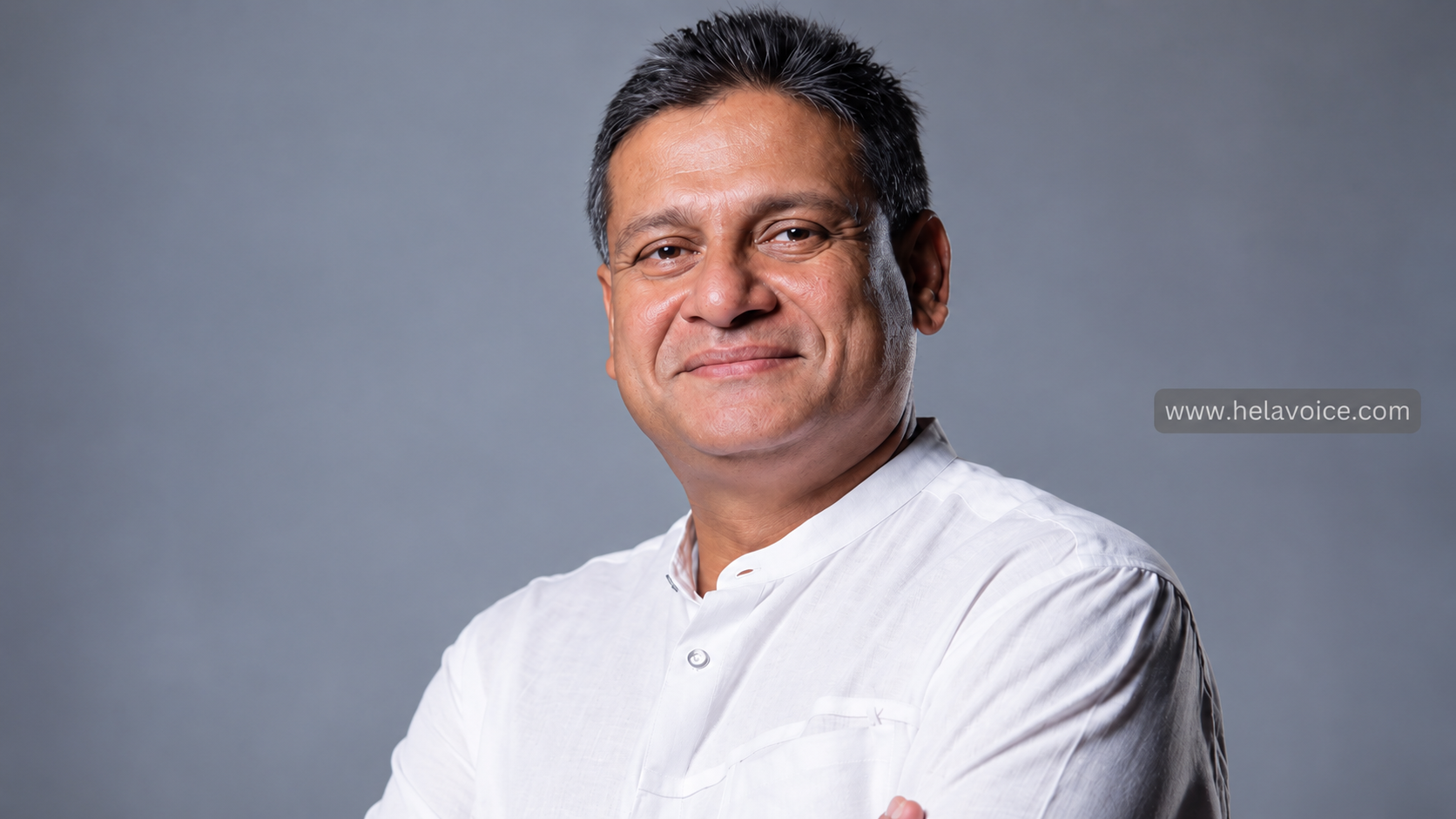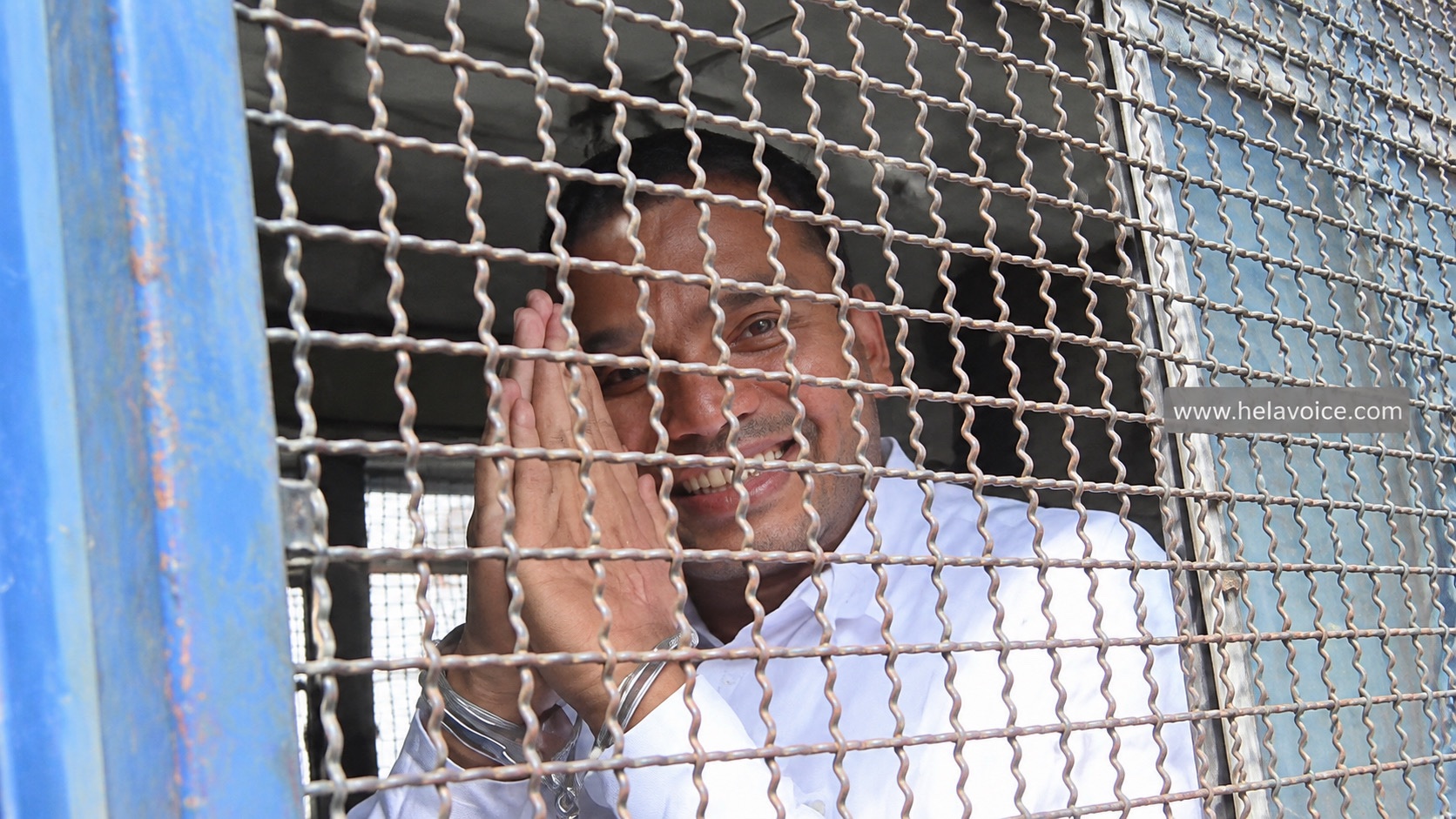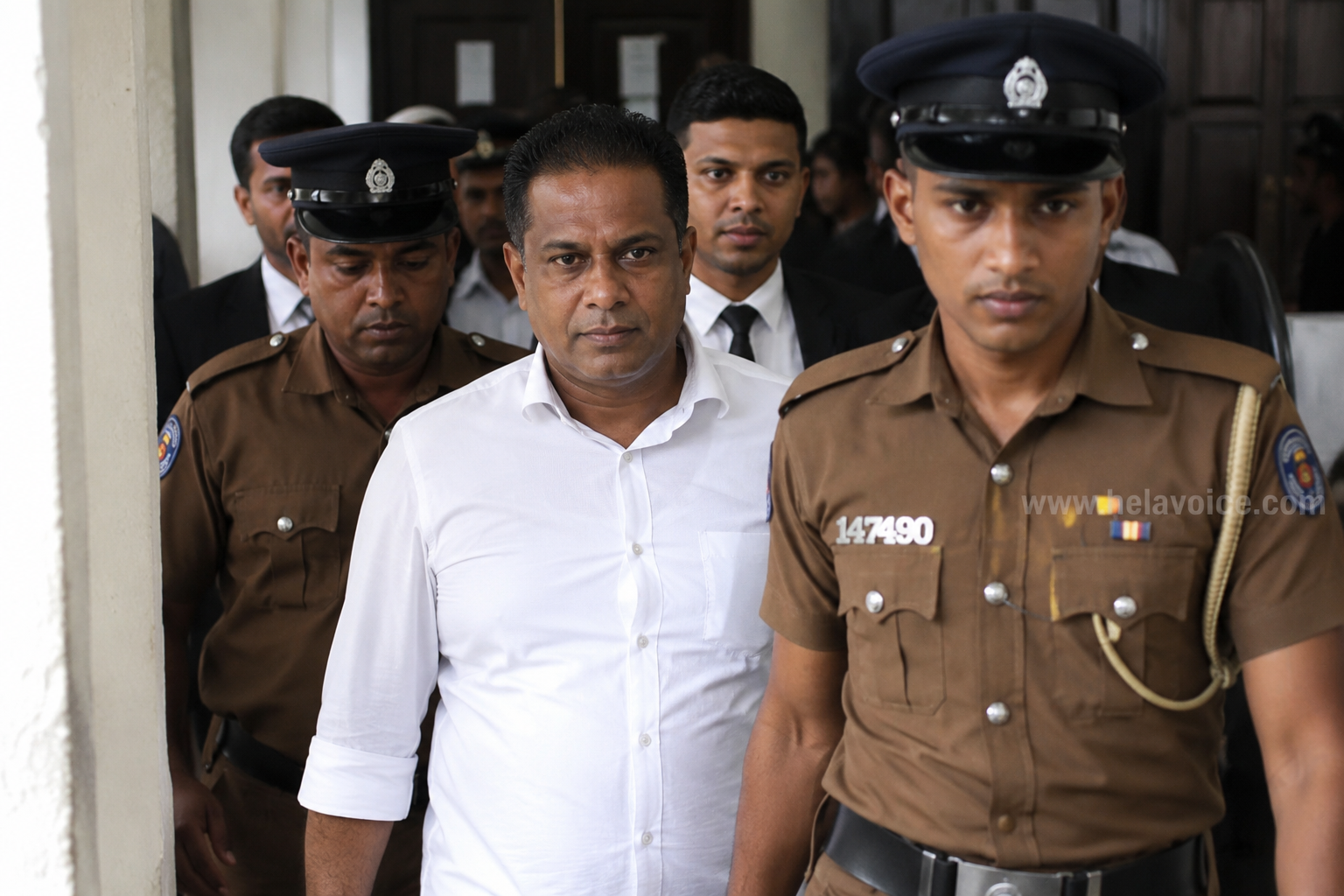
Former Arachchikattuwa Pradeshiya Sabha Chairman Jagath Samantha has been sentenced to five and a half years in prison after being found guilty of assaulting the Divisional Secretary of Arachchikattuwa.
The judgment was delivered today (15) by the Chilaw High Court following the conclusion of hearings into the long-running assault case.
In addition to the prison sentence, the court also ordered the accused to pay Rs. 1 million as compensation to the Divisional Secretary who was assaulted during the incident. The court further stated that failure to pay the compensation would result in an additional 24-month prison sentence.
The case had originally been filed against both former State Minister Sanath Nishantha and his brother Jagath Samantha over allegations linked to the assault. However, after Sanath Nishantha died in a vehicle accident on the Katunayake Expressway in January 2024, only Jagath Samantha continued to face trial before the courts.
According to court proceedings, the Chilaw High Court examined witness testimonies, evidence, and legal submissions presented during the hearings before delivering today’s verdict.
The case attracted considerable public attention due to the involvement of politically influential figures and allegations concerning violence against a senior public official. Incidents involving intimidation or assaults against state officials have repeatedly sparked debate in Sri Lanka regarding political accountability, abuse of power, and the protection of public servants carrying out official duties.
For Sri Lanka, the judgment is being viewed by some legal observers as an important development emphasizing the accountability of public representatives and local government officials under the law. Analysts say court decisions involving high-profile political figures often carry wider significance for public confidence in the justice system.
The assault case also highlighted tensions that can arise between political authorities and administrative officers at local government level, particularly during disputes involving public administration, land matters, or development activities.
Sri Lanka’s judiciary has faced growing public scrutiny in recent years as citizens increasingly demand stronger legal action against corruption, political violence, and abuse of authority by elected officials. Several recent court rulings involving politicians and public figures have generated widespread national attention.
Legal experts note that compensation orders issued alongside prison sentences are intended not only to punish offenders but also to recognize the harm caused to victims through criminal acts.
Meanwhile, the verdict is expected to trigger political reactions within local government circles and among supporters connected to the accused individuals. However, authorities have not indicated whether any appeal against the judgment will be filed at this stage.
What happens next will depend on possible legal appeals and the enforcement of the compensation order issued by the Chilaw High Court.