A second commercial vessel has reportedly come under fire near the strategically important Strait of Hormuz, according to the United Kingdom Maritime Trade Operations (UKMTO), raising fresh concerns over maritime security in one of the world’s busiest oil shipping routes.
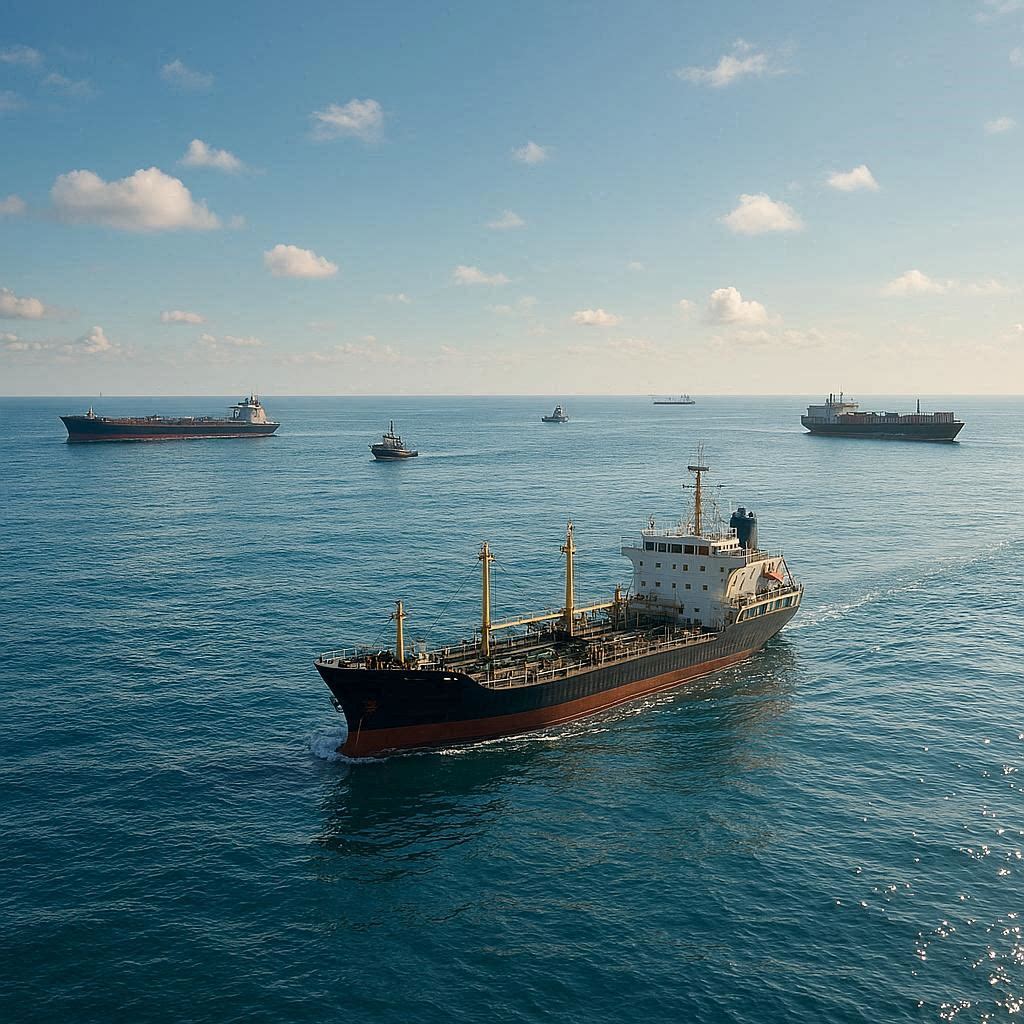
The latest incident involved a cargo ship that was sailing away from the area when it reported being targeted approximately eight nautical miles west of Iran. Following the incident, the vessel reportedly stopped in the water as authorities monitored the situation.
In a statement, UKMTO confirmed that the ship did not suffer visible damage and that all crew members were safe and accounted for. However, the organization warned that activity in the Strait of Hormuz remains highly tense and advised all vessels operating in the region to remain alert and immediately report any suspicious activity.
The incident comes shortly after another attack involving a container ship northeast of Oman, which reportedly sustained significant damage. Although no group has officially claimed responsibility for the attacks, the developments have intensified fears of further instability in the Gulf region.
The Strait of Hormuz is considered one of the most strategically important maritime passages in the world, with a significant portion of global oil and gas shipments passing through the narrow waterway each day. Any disruption in the region has the potential to affect international energy markets and global shipping operations.
For Sri Lanka, continued tensions in the Strait of Hormuz could carry serious economic implications. Sri Lanka heavily depends on imported fuel, and prolonged instability in the Gulf region may contribute to rising global oil prices, increased shipping costs, and higher import expenses.
Economic analysts warn that sustained disruptions in key Middle Eastern shipping lanes could eventually impact fuel prices, transportation costs, inflation, and overall living expenses within Sri Lanka if tensions continue to escalate.
Shipping and logistics experts have also pointed out that insurance costs for vessels traveling through high-risk regions often increase during periods of geopolitical instability, potentially affecting global supply chains and trade routes connected to South Asia.
Meanwhile, several international maritime organizations continue to monitor the situation closely as regional military and diplomatic tensions remain elevated. Security authorities have urged commercial vessels operating in the Gulf to maintain heightened vigilance.
What happens next will largely depend on whether regional powers are able to prevent further escalation in the area. International observers expect continued diplomatic efforts aimed at avoiding disruptions to global energy transportation routes and maintaining stability in the Strait of Hormuz.