The Sri Lankan rupee weakened significantly against the US dollar today (21), with the dollar selling rate crossing the Rs. 354 mark for the first time in several months, raising fresh concerns over exchange rate stability and rising economic pressure.
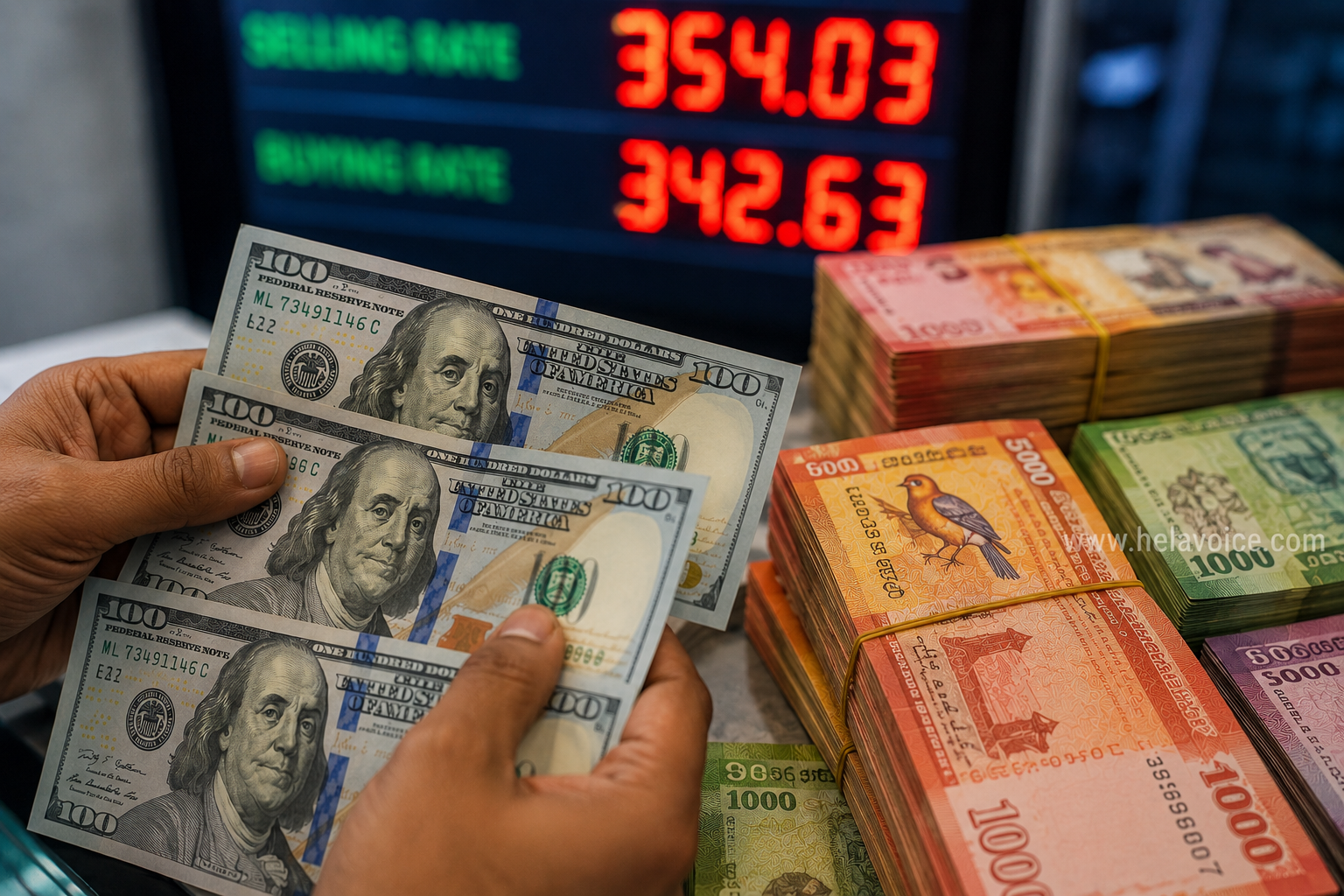
According to the latest exchange rate data, the selling rate of the US dollar was recorded at Rs. 354.03, while the buying rate stood at Rs. 342.63. Financial analysts say this marks the weakest level recorded by the Sri Lankan rupee against the dollar since March 2023.
What has caused even greater concern among businesses and consumers is the rapid pace of the depreciation within just 24 hours. On the previous day (20), the dollar selling rate had remained around Rs. 342, meaning the exchange rate surged by nearly Rs. 12 in a single day — one of the sharpest short-term movements seen in recent months.
Several major commercial banks also reported exchange rates close to Rs. 354 today, reflecting increasing pressure on the country’s foreign exchange market. Economists say such sudden currency movements can directly impact import costs, inflation, fuel prices, and overall business confidence.
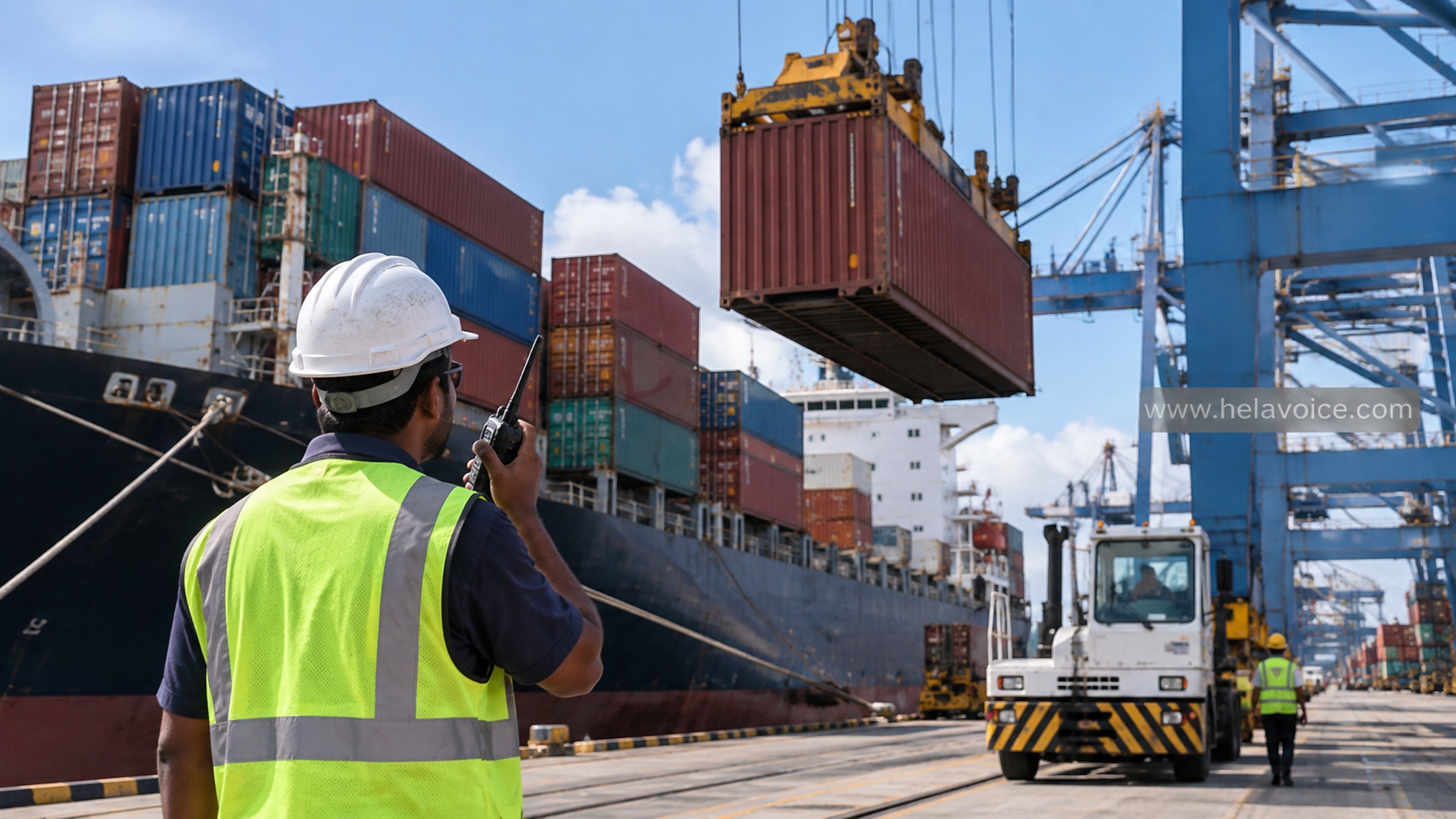
Sri Lanka remains heavily dependent on imports for fuel, medicines, vehicles, machinery, food items, and industrial raw materials. As a result, a weaker rupee typically increases the cost of imported goods, which can eventually lead to higher retail prices and increased pressure on household expenses.
For Sri Lanka, maintaining currency stability remains one of the most critical economic challenges following the severe financial crisis that pushed the country into debt default in 2022. Although the economy showed signs of gradual stabilization over the past year with support from the International Monetary Fund (IMF), exchange rate volatility continues to remain a major concern for policymakers and investors.
Financial analysts believe several factors may have contributed to the sudden weakening of the rupee, including increased demand for dollars by importers, pressure on foreign reserves, global market uncertainty, and expectations surrounding future foreign currency inflows. Concerns regarding rising import demand and fluctuations in investor confidence may also be influencing market sentiment.
The depreciation could particularly affect businesses involved in importing goods, as higher dollar costs may reduce profit margins and increase operational expenses. Consumers may also face price increases in imported products and services if the exchange rate continues to weaken further in the coming weeks.
Meanwhile, exporters could temporarily benefit from the weaker rupee, as Sri Lankan goods become relatively cheaper for foreign buyers. However, economists warn that any benefits to exporters could be offset if inflation and production costs continue to rise domestically.
The Central Bank and government authorities are expected to closely monitor market conditions while assessing measures aimed at stabilizing the exchange rate and managing foreign currency liquidity. Earlier this week, government officials stated that upcoming foreign inflows from international institutions including the IMF and Asian Development Bank could help ease pressure on reserves and the rupee.
Economic observers note that exchange rate fluctuations remain highly sensitive in Sri Lanka due to the country’s dependence on foreign financing, imports, tourism earnings, worker remittances, and export performance.
What happens next will largely depend on foreign currency inflows, market confidence, import demand, and broader global economic conditions over the coming months.