Scientists and pharmaceutical researchers are accelerating efforts to develop three new vaccines against the Bundibugyo strain of Ebola as a growing outbreak in Central Africa continues to claim lives.
The International AIDS Vaccine Initiative (IAVI), the University of Oxford, and pharmaceutical company Moderna are each working on separate vaccine candidates aimed at combating the rare Ebola species, which has already been linked to nearly 250 deaths.
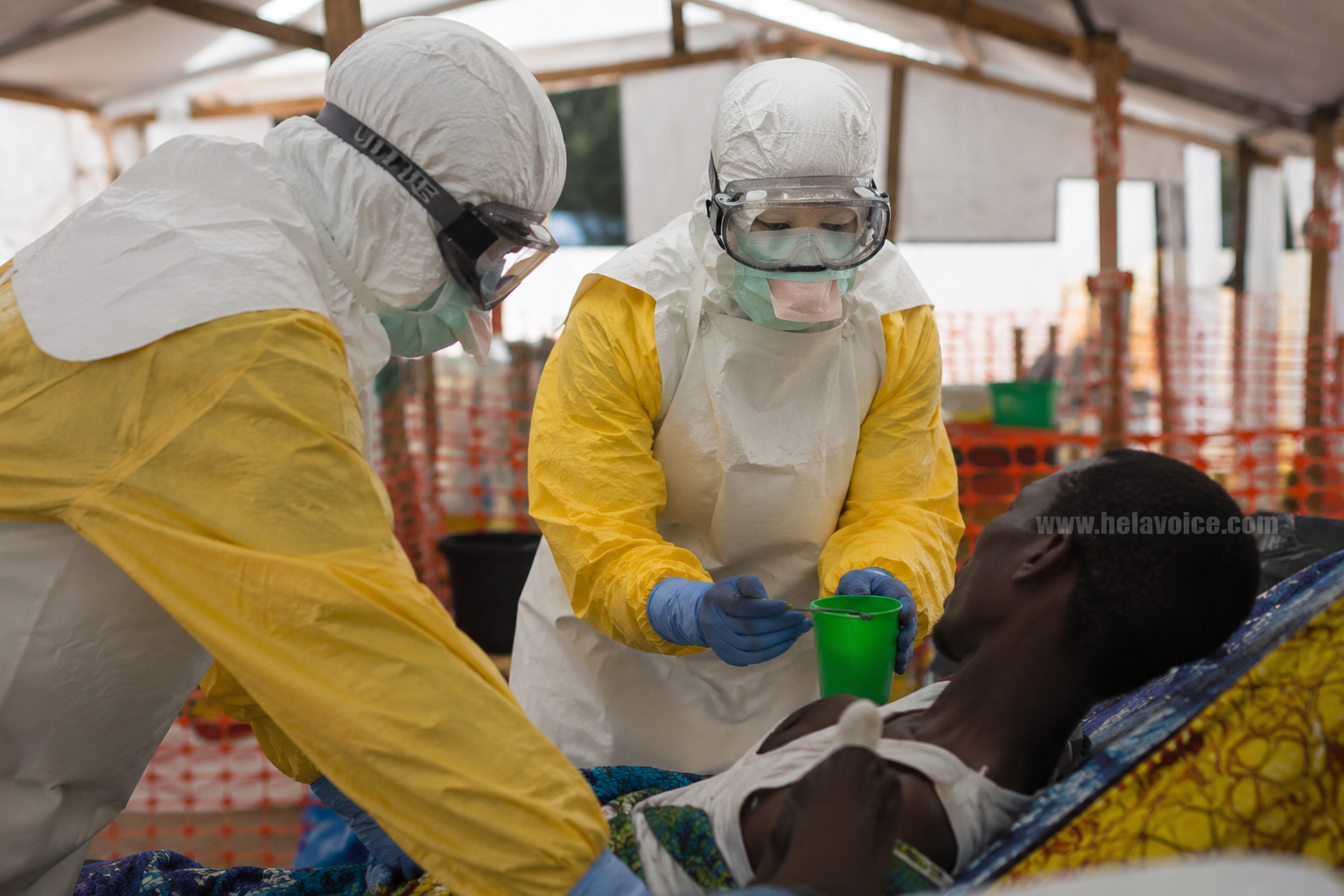
Health officials have reported more than 1,000 suspected Ebola cases in the Democratic Republic of Congo, while neighboring Uganda has confirmed several infections, raising fears that the outbreak could escalate further.
Experts warn that the current situation has the potential to become one of the most serious Ebola outbreaks in recent history if containment measures are not strengthened.
Unlike the more common Zaire strain of Ebola, which already has an approved vaccine, the Bundibugyo strain currently has no licensed vaccine available.
Researchers say each of the three vaccine projects uses different technologies to train the immune system to recognize and fight the virus.
IAVI is developing a modified version of an existing Ebola vaccine, while Moderna is using its mRNA technology that gained global recognition during the COVID-19 pandemic. Meanwhile, the University of Oxford is developing a vaccine based on its own established vaccine platform.
According to researchers, Oxford’s candidate could be ready for clinical trials within a few months, while the other projects are also being fast-tracked.
The Coalition for Epidemic Preparedness Innovations (CEPI), which is funding the early stages of all three programs, stressed the urgency of the situation.
Health experts believe a successful vaccine could play a crucial role in controlling the current outbreak and improving preparedness for future Ebola emergencies.