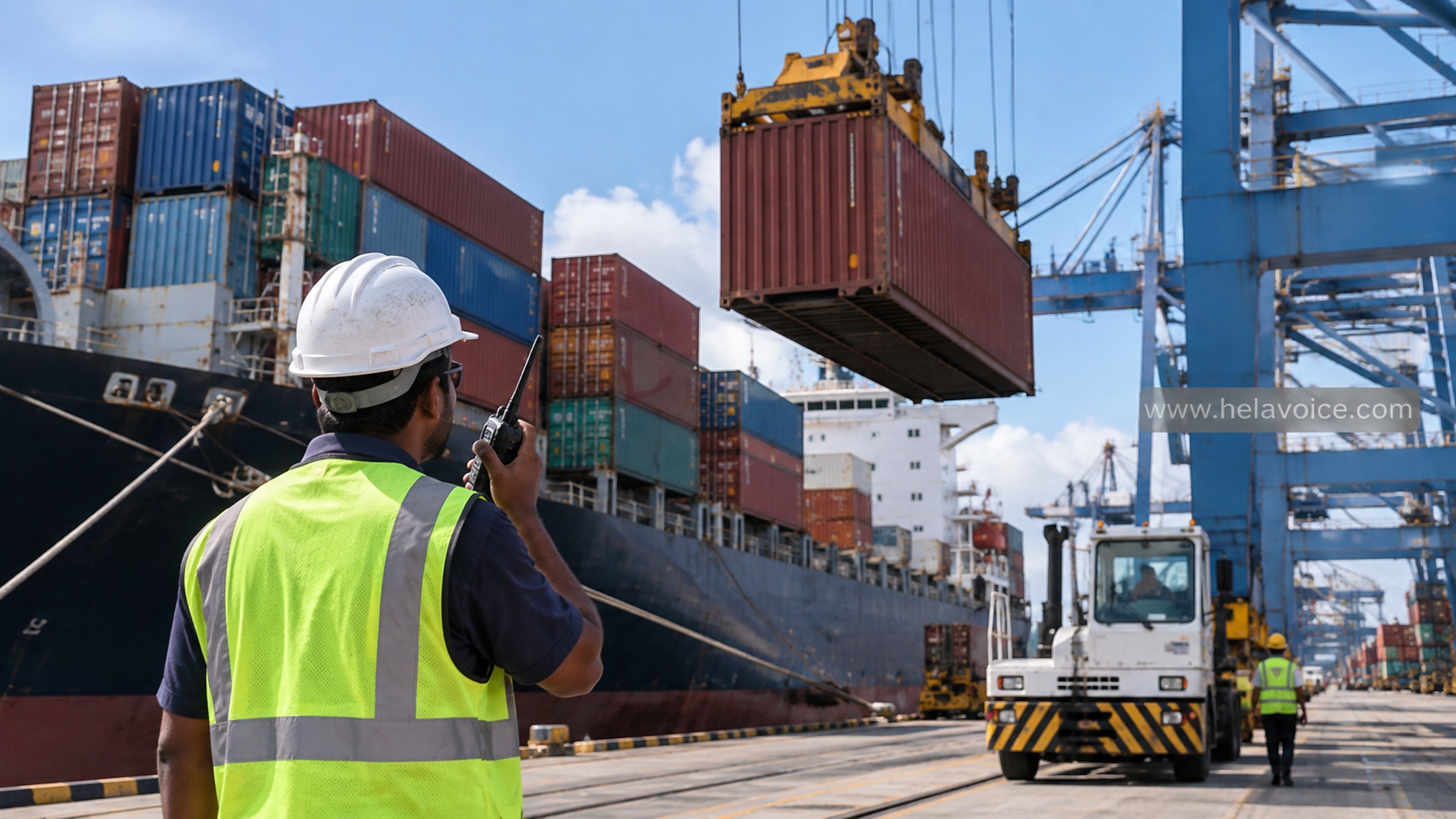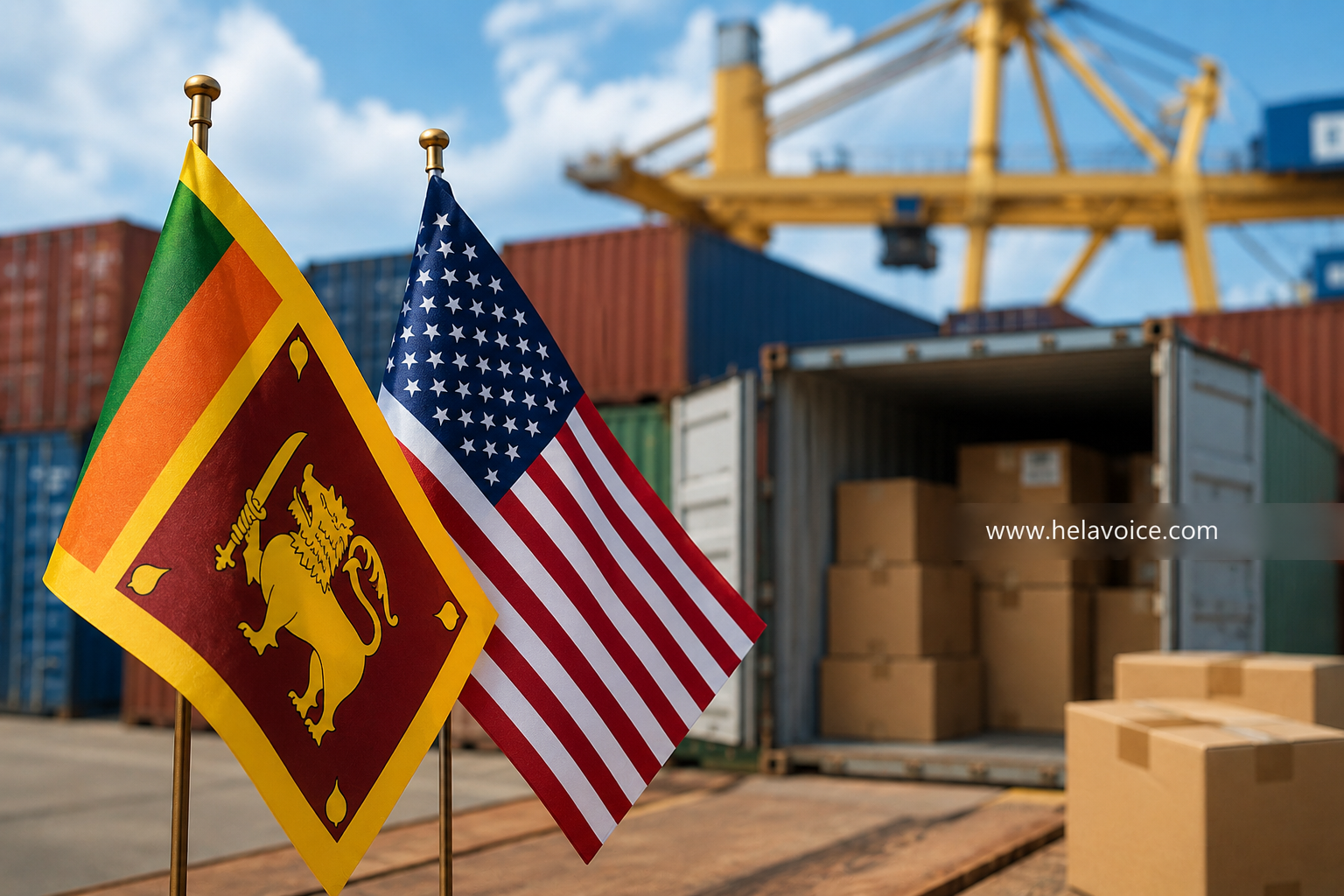
The United States has proposed imposing additional import duties on goods from Sri Lanka and 59 other economies following an investigation into the enforcement of measures against products allegedly linked to forced labor.
According to the Office of the United States Trade Representative (USTR), Sri Lanka is among 45 countries that could face an additional 12.5% tariff on exports to the U.S. market. The proposal follows findings that certain countries have not taken sufficient action to prevent the importation and trade of goods produced through forced labor practices.
The investigation was conducted under Section 301 of U.S. trade law, which allows the American government to examine and respond to practices considered harmful or unfair to U.S. commerce. U.S. Trade Representative Jamieson Greer stated that countries failing to address forced labor-related trade issues create unfair competition for American workers and businesses.
The proposed measure comes at a time when Sri Lanka is working to strengthen export earnings and expand access to international markets. The United States remains one of Sri Lanka’s most important export destinations, particularly for apparel and textile products, which account for a significant share of the country’s foreign exchange income.
However, the USTR has also proposed a special mechanism that could allow a certain volume of textile and apparel imports to enter the U.S. at a lower tariff rate. Details regarding the volume limits and tariff reductions have not yet been announced.
Trade analysts note that if implemented, the additional tariff could increase costs for Sri Lankan exporters and potentially affect the competitiveness of Sri Lankan products in the American market. At the same time, they point out that the proposal is still under review and has not yet become official policy.
The USTR has invited public comments on the proposal until July 6, while a public hearing is scheduled for July 7 before any final decision is made.
The outcome of the review process is expected to be closely watched by exporters, investors, and policymakers, given its potential impact on Sri Lanka’s trade relations with the United States and the broader export sector.